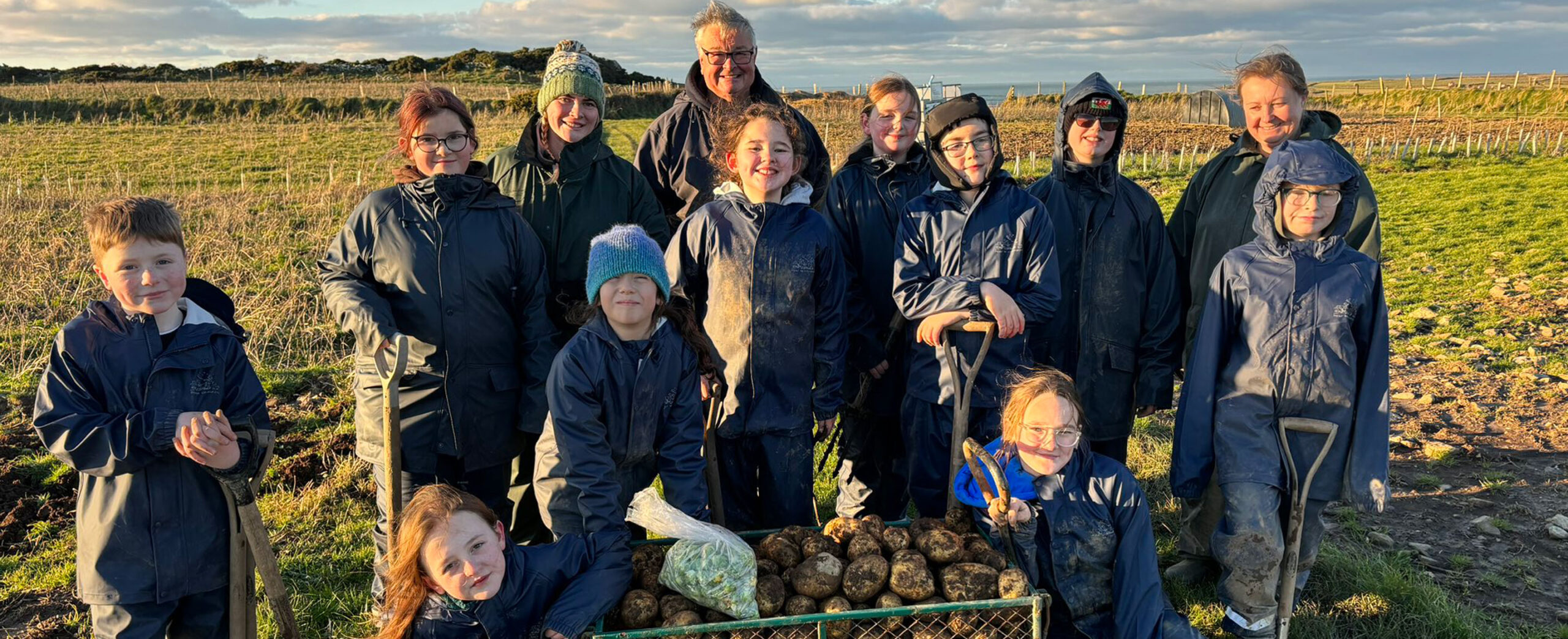
This year, Place2Be’s theme for Children’s Mental Health Week is ‘This is My Place’, aimed at supporting the systems around children and young people that help them feel they belong. In this piece, part of our 50 voices series, our Farm School Leader Charlie Harrison explores how this comes to life on our farms.
“Community is much more than belonging to something; it’s about doing something together that makes belonging matter” – Brian Solis
Creating a sense of belonging on the farm
“When are we going home?”
My heart sinks a little to be asked this mid-afternoon just as I’m getting to know my group, but I keep my expression neutral. A week on the farm is hard; it is not for everyone, and in a way, a child being more excited to be at home than here tells me they have joy and love there. I think of a quick, comforting reply.
“Well, you’ll be getting the bus on Friday after breakfast, I think. I can’t tell you an exact…”
“No, for dinner. I heard there was crumble”.
And just like that my heart is flying again. Of all the challenges we face during our week, nothing is more foundational than settling in up to 39 children and their accompanying adults. Without the basics of good sleep, enough food and drink, even feeling comfortable enough to use the bathroom, the rest of the week will not work. And with this one small sentence, a victory was declared.
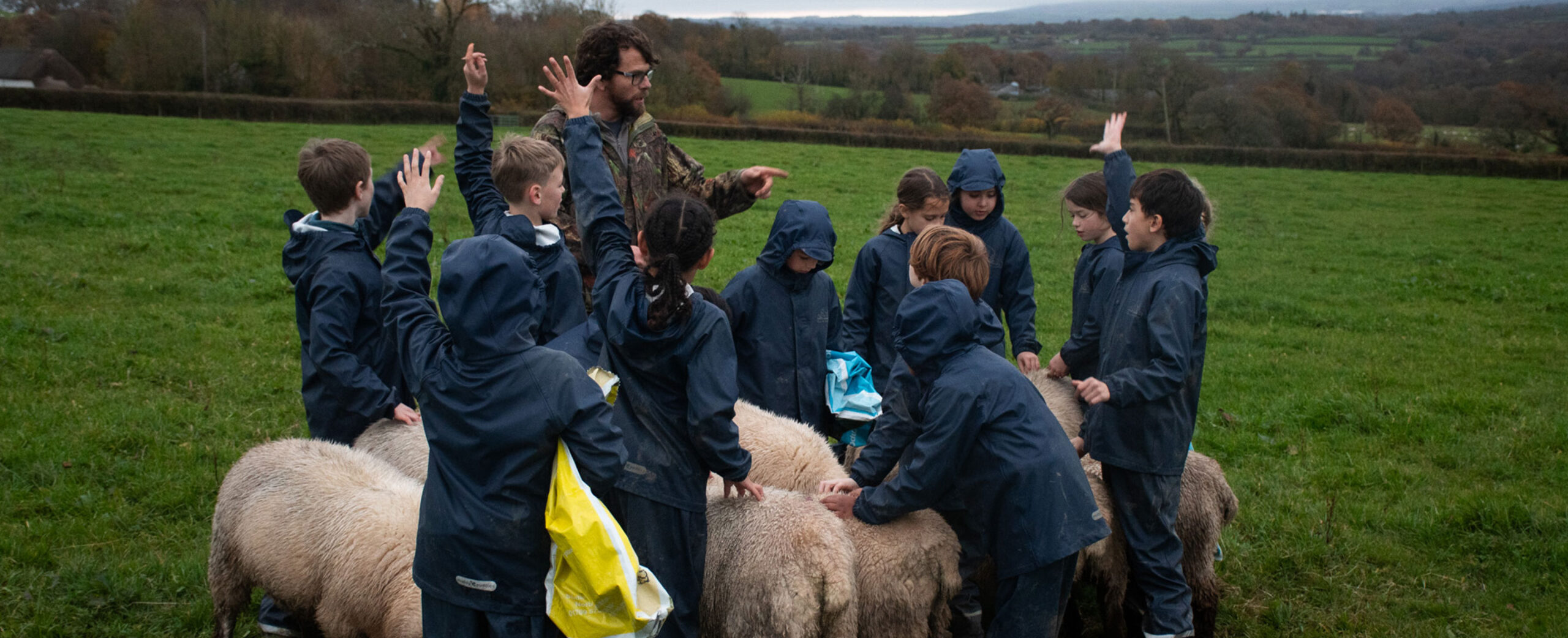
We start out the week by welcoming the visitors with a traditional (Devon) cream tea and let them know it is their home for the week. This means we need their help cleaning the tables after they eat, sorting the plates and leftover food, setting the tables for the next meal, even harvesting and cooking the food. They’ll be out before breakfast and after dinner caring for the farm animals. Ownership of Nethercott House is based on community, caring and stewardship, on and off the farm.
Building confidence through responsibility
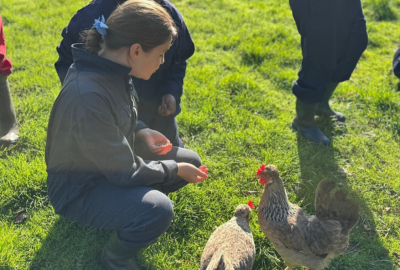
On a Tuesday morning, I introduce the group to the poultry and by Thursday evening on the farm feeding and shutting animals away, I have the privilege of seeing the growth from that early morning. Where before I had to convince people that chickens are not scary, by Thursday I can see the tenderness and familiarity in the faces of everyone as we make sure we have herded every chicken back into their house, safe for the night. They know to check the gates are closed, they may even check around with a knowing eye for any extra jobs that need doing. Allowing young people to take responsibility allows them to prove to us what they are capable of and I have come to have very high standards of people since embracing this. Children are miraculous, smart and observant; curious and kind. They will always keep you grounded and hopeful for the future.
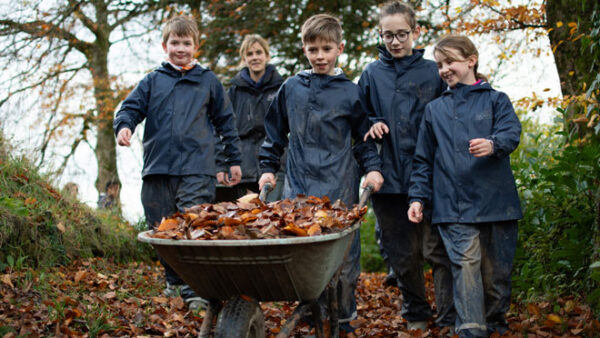
The tasks we complete on the farm literally shape our land, from planting trees to spreading compost on the garden to fertilise the ground for the coming vegetables. They do meaningful work and can see the difference they have made – and you can tell.
Small moments, big impact – what children take home
When we have returning farmers, they lead the newcomers with wisdom and excitement. I am amazed by what they remember and how many want to do the same things they did last year but with a new boldness, how they excel and have grown so much and how comfortable they are back on the farm. I am always keen to hear how their year has gone; and am always proud and inspired when teachers share the positive effects the trip to the farm has had on their students. It’s often in the small but profound ways; their peers saw a different side to the person who struggles to sit still when they were able to expertly move huge wheelbarrows around or play in the incredible den they built. Or that they built their confidence and raise their hand in class more, finding their voice in their group.
With a week working on our farm, everyone finds home, both here on the land and in themselves, and importantly in their community, with memories and skills to share together for a lifetime.
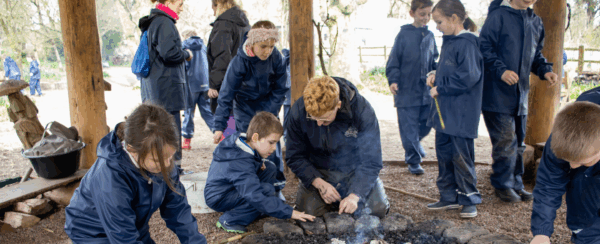
Charlie (they/them) is a farm school leader specialising in social, emotional and mental health needs (SEMH). They are passionate about empowering people from diverse backgrounds to connect with themselves, each other and nature. Their favourite session to run at Nethercott House is the Spinney, where participants can explore nature on their terms, as well as lighting fires, building, creating and crafting.
Find out more about the benefits of a week on one of our farms.