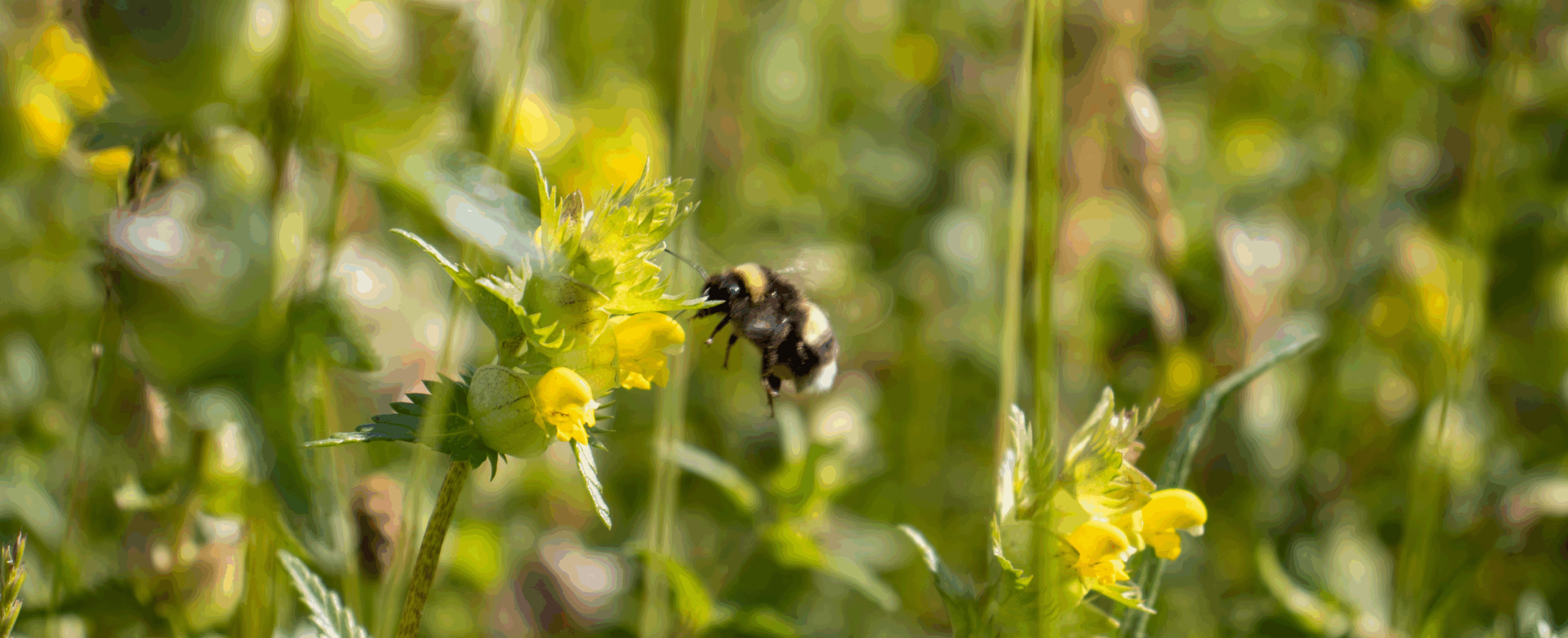
Pollinators play a vital role in helping plants grow, flowers bloom and many of the foods we enjoy make their way to our plates. From busy bees to colourful butterflies, moths, beetles and even wasps, these hardworking insects help carry pollen from one plant to another. By welcoming pollinators into our outdoor spaces, we can support nature and boost biodiversity.
The good news is that there are lots of simple ways to help. Whether you have a garden, a small outdoor space or even an outdoor area in your school, there are plenty of pollinator-friendly ideas you can try.
Plant for pollinators
Give pollinators a helping hand and add colour to your outside space by planting pollinator-friendly plants. To help bees and bugs access the pollen and nectar they need, choose simple open flowers with a single layer of petals. The RHS website has a wealth of information about plants that encourage pollinators, including downloadable lists. Make sure you avoid using pesticides in your outdoor spaces.
Leave your lawns
Consider leaving an area of your lawn or school field to grow, allowing weeds to flower. Plants that have traditionally been kept at bay in lawns, such as dandelions, are a great food source for pollinators.
Provide water
Just like any type of wildlife, pollinators need water to survive. Simply adding a small container outside can provide enough water for the pollinators. Remember to keep the water fresh and topped up, particularly during warmer weather.
Create a pollinator pitstop!
By combining attractive plants and a water source, you can create your very own pollinator pitstop. Even in a small space, these can give bees and insects a place to find food, water and shelter. Country Life magazine has gathered together lots of tips on how in this article.
Build a bee hotel
Many pollinators like bees use small holes in wood or the group to store food and lay their eggs. You can boost the number of places they call home by building a bee hotel. Find out how on the Wildlife Trusts website.
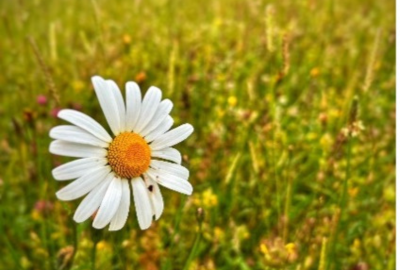
Plan your mini-meadow for next summer
If you have space available in your garden, why not start making plans to create space for a mini-meadow. Our Farm Operations Manager Adam has some top tips for you in this short video.
July is the perfect time to start preparing to plant nature’s meadow maker, Yellow Rattle. Find out how to prepare, sow and look after your Yellow Rattle on the Plantlife website.
We’d love to see how you’re welcoming pollinators to your outdoor spaces. Tag us on social media so we don’t miss out!