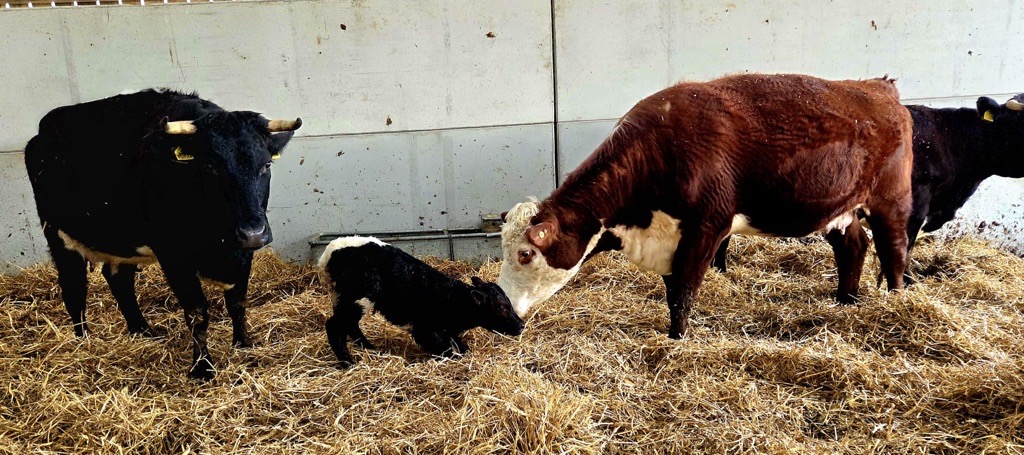
Three new Gloucester calves have arrived at Wick Court this year, adding a new chapter to a story that stretches back through generations of farming at the Gloucestershire farm.
For the children who visit Wick Court today, the calves are part of the everyday excitement of farm life. They are animals to care for and learn about. But they are also part of something bigger: the survival of one of Britain’s oldest and rarest native cattle breeds.
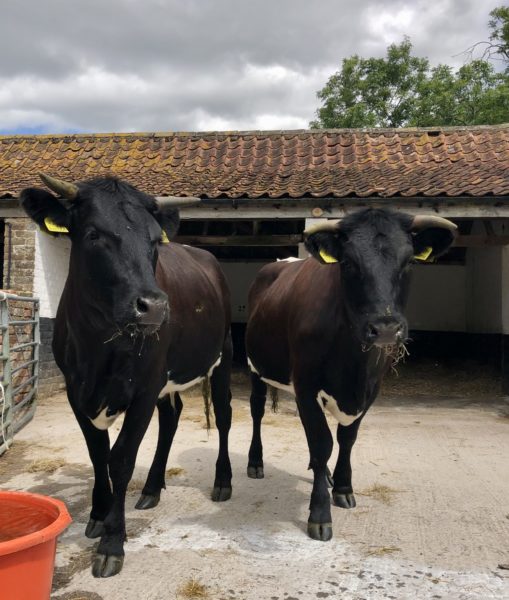
Gloucester cattle have long been connected with the county that gave them their name. Traditionally valued for milk, beef and draught work, they were once an important part of local farming. Over time, however, their numbers declined dramatically.
By the 1920s, only a small number of Gloucester cattle remained. By the 1950s around 50, including those in the Wick Court’s herd were among those that survived, helping to maintain the breed at a time when its future was far from certain.
That makes the arrival of three new calves especially meaningful. They are not only new animals on the farm. They are part of a living heritage and a legacy that respects Wick Court’s history.
A rare breed, cheese and chocolate
The farm’s connection with Gloucester cattle can be traced through photographs, records and artwork and a document called Wick Court through the Ages.
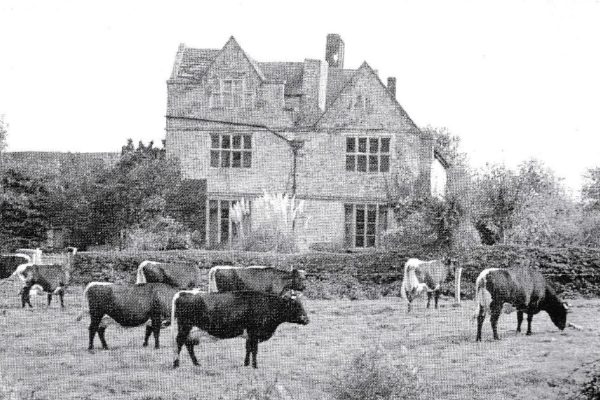
One image in the document (above) shows Gloucester cattle grazing in front of Wick Court, while a painting of a cow named Blossom captures the character of the breed. A striking wood engraving by Sarah Van Niekerk (below) also depicts Gloucester cattle at the farm, preserving another view of the animals and their place in the landscape.
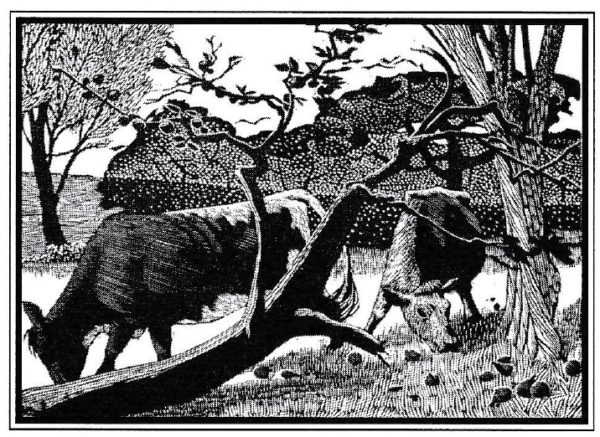
These images offer more than a glimpse into the past. They show how closely farming, family life and the identity of Wick Court were once connected.
The farm’s Gloucester cows were also part of a wider local food story. For more than 40 years, milk from the herd was sent to Cadbury’s factory at Frampton. Gloucester milk is also closely associated with the county’s cheesemaking heritage. Production of Double and Single Gloucester cheese returned to Wick Court in 1998 after a gap of several decades, with Single Gloucester traditionally made on Gloucestershire farms with Gloucester cows.
Learning from a living rare breed
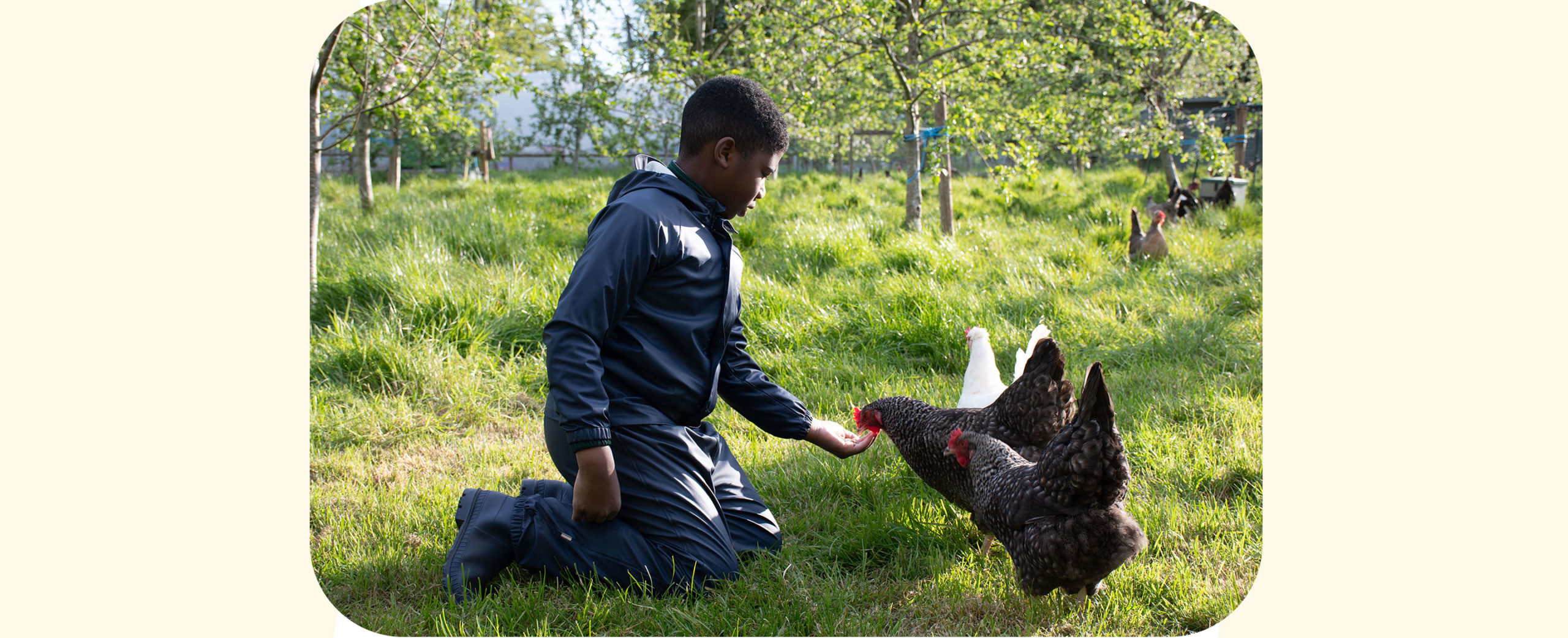
Today, Gloucester cattle remain a rare breed, but at Wick Court they are also part of the everyday learning experience offered to visiting children. During a residential week, children do not simply hear about farming. They take part in it.
Children learn that animals need consistent care. Discover that food production depends on knowledge, patience and teamwork. They begin to understand why some breeds are better suited to particular landscapes and farming systems and why protecting genetic diversity matters.
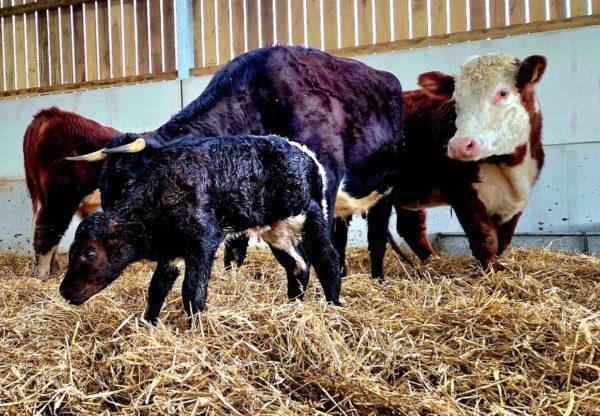
Meeting a rare breed can make ideas real.
Caring for a calf personally is an easier memory to remember than a statistic from a book. Helping with animal care gives children a sense of responsibility. Hearing the story of the herd connects today’s farm with the people and animals that came before.
For some children, this may be their first close encounter with cattle. For others, it may be the moment they begin to think differently about where food comes from, how farms change over time and why heritage should be protected.
The next chapter
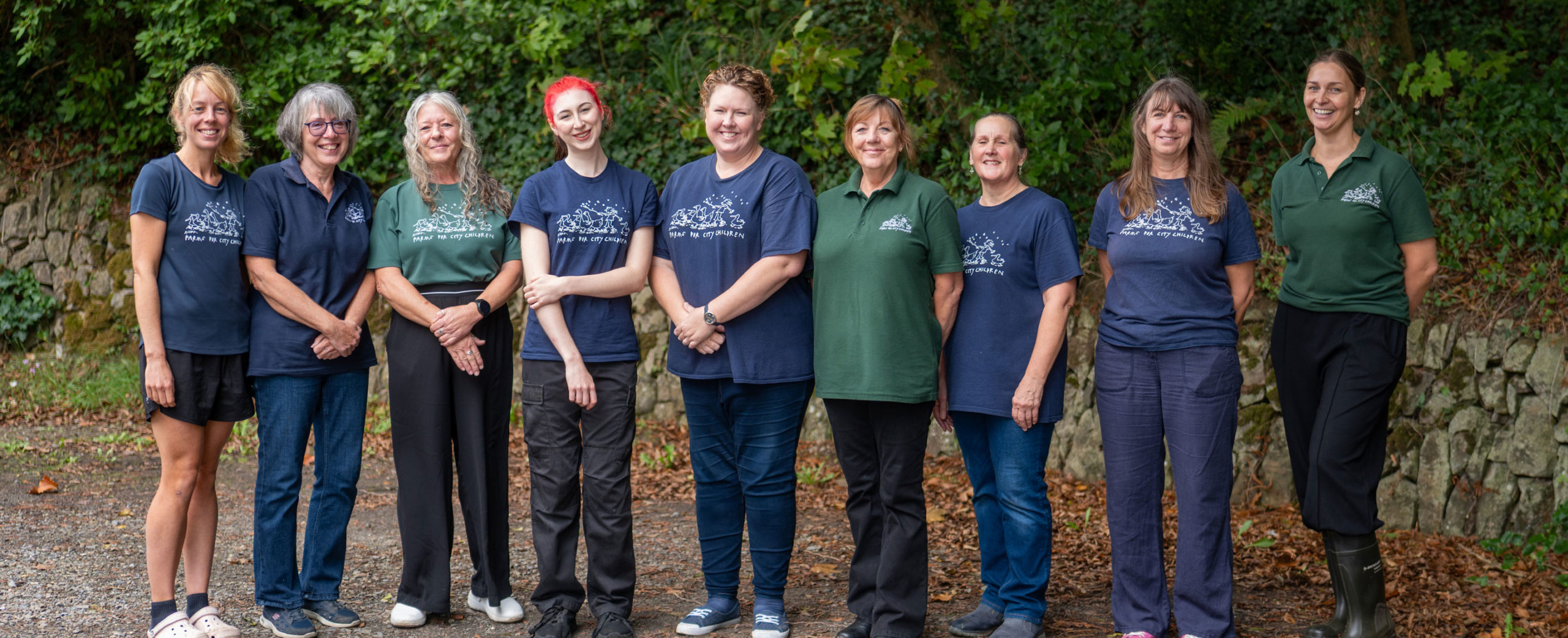
The three calves arriving this year represent continuity but also hope. They connect Wick Court’s farming past with its present-day role as a place where children can experience the countryside, contribute to meaningful work and discover their own capabilities. Our team take the custodianship as seriously as the experiences they give the children who visit us. Wick Court is part of Gloucestershire’s legacy and we are simply playing our part in preserving that for future generations.
The cattle may be part of an old story, but for every child meeting them for the first time, the experience is completely new.
Help more children experience the animals, landscapes and stories of our farms. Donate today and give a child the chance to learn, grow and belong during a life-changing week in the countryside.