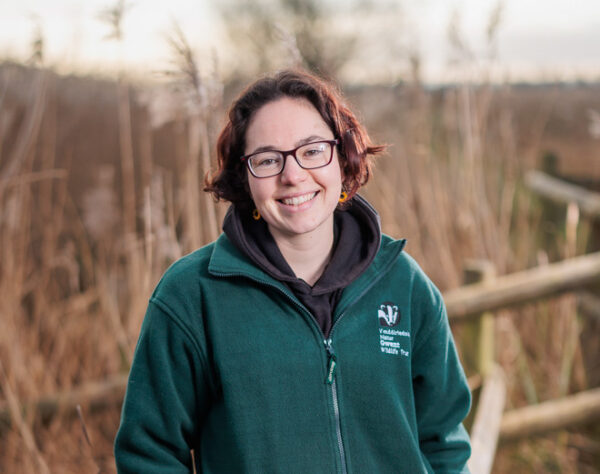
In this 50 voices story, Farms for City Children trustee Rose O’Hagan reflects on growing up on a farm and the experiences that shaped her belief in the importance of connecting children with food, farming and nature that led her to join our board of trustees.
For Trustees’ Week, Rose also shares what she has learnt since becoming a trustee, why she believes different backgrounds and perspectives matter around the board table, along with how she balances the role alongside her career and a young family.
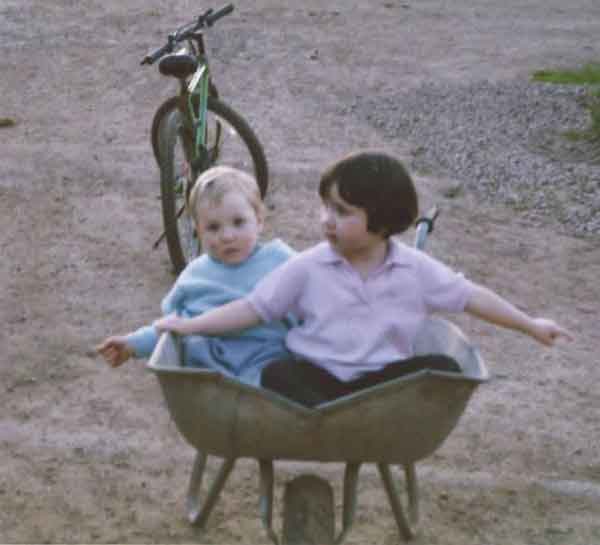
“I grew up as the fourth of six children on a dairy and sheep farm in Monmouth. Feeding calves and milking cows was an everyday part of childhood. We did the same work as the paid staff, and because my mum bred horses, collecting the cows occasionally, excitingly, meant doing it on horseback.
At the time, it was simply my life. As I grew older, I slowly began to realise what an extraordinary childhood I had. Only a small percentage of people have the access and confidence to roam freely around a farm, to understand how it works and to feel completely at home in that environment.
That connection to farming and the outdoors has followed me throughout my life and eventually led me to Farms for City Children.
Seeing the impact of a farm for myself
After university, I did a volunteer internship at Magdalen Environmental Trust and went on to work there for five years. I absolutely loved the conversations I had with school-aged children, some of whom arrived at the farm thinking beef originated in a box at McDonalds.
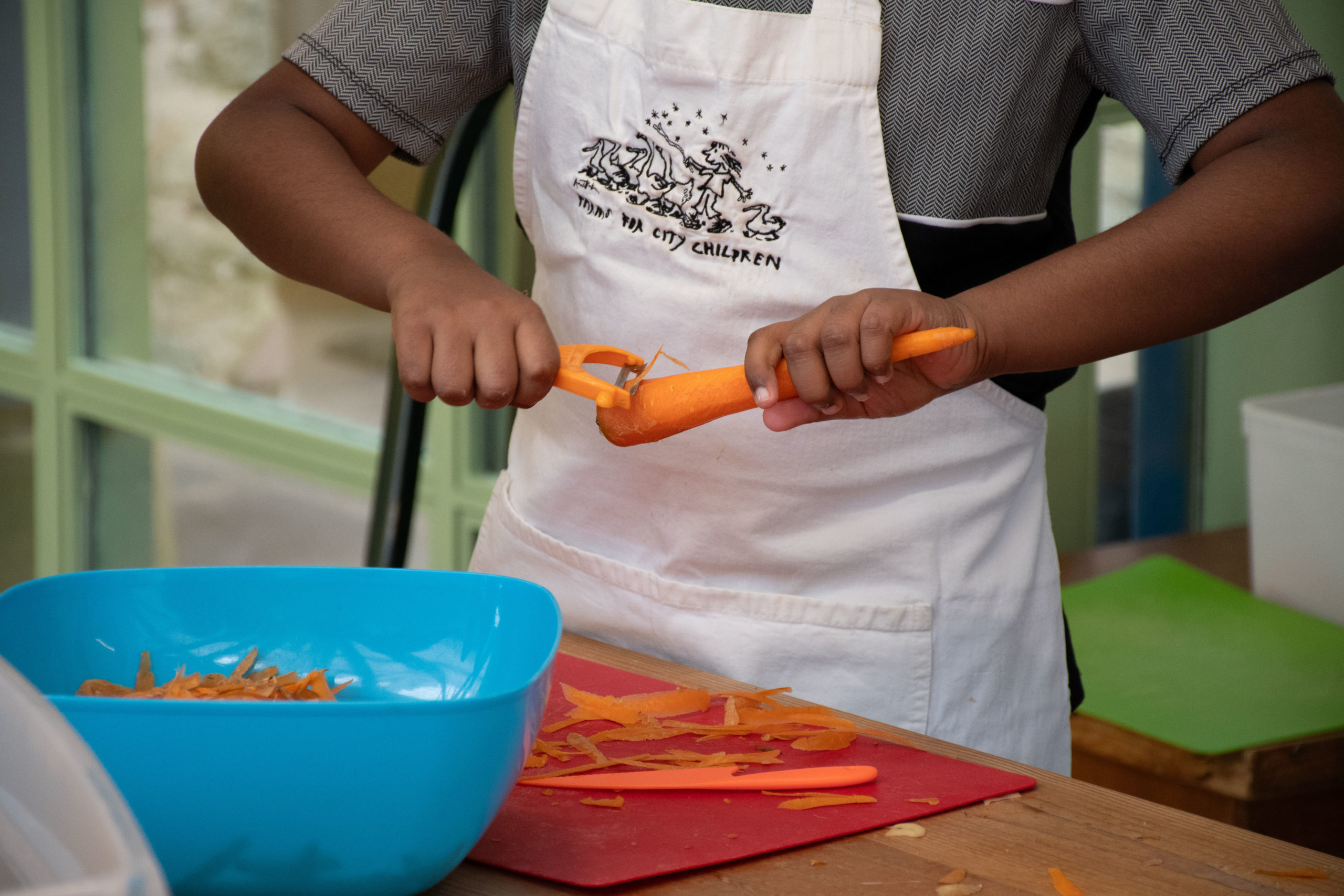
By the time they left, they could talk vividly about biodiversity and organic farming better than many adults can! The children could see first-hand where carrots came from and begin to make informed choices about their food. They also loved making spicy or sour salad sandwiches and tricking their teachers into trying them.
I saw children arrive who had barely encountered mud, who were nervous about splashing in muddy puddles or walking over uneven ground. Give them the opportunity to experience those things, though, and their confidence can change.
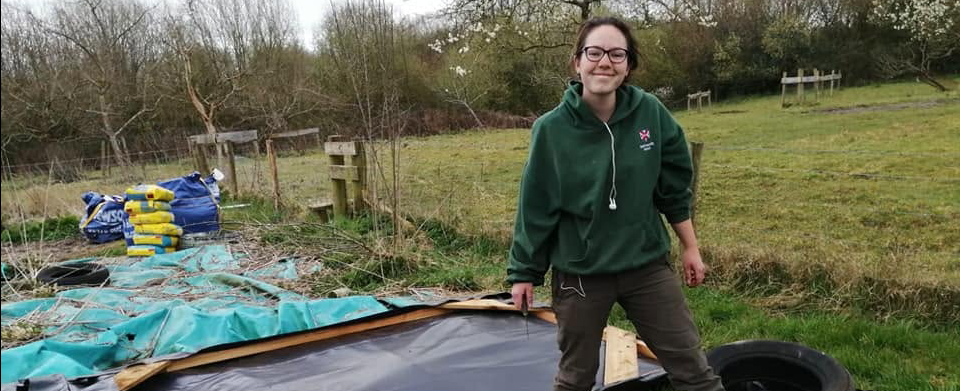
In 2022, I moved back to Wales to start a family and began working with Gwent Wildlife Trust on its Wild Health Green Social Prescribing Project, using nature-based activities to support people’s health and wellbeing. My role has since expanded to include Forest School and Outdoor Learning training for teachers and wider community engagement.
Then, in 2023, my CEO took us to visit Wick Court. He had worked with Stevie, the farm manager at the time when they were both working at Gloucestershire Wildlife Trust.
From the moment we arrived, I was transported back to my childhood and my time at Magdalen. Wick Court was so full of life and chatty children. And that beautiful oak tree at the entrance. Wow!
I hadn’t been working directly with children as much at that point and I realised how much I missed that world.
Could I really become a trustee?
A few months later, a trustee role at Farms for City Children was advertised. My CEO shared it with me and encouraged me to apply. My first thought was that I was simply too underqualified.
Until then, my perception of trustees generally was that they tended to be retired, white, male and middle class, and perhaps quite detached from the charities they served. I certainly didn’t see myself as the obvious candidate.
But I started thinking about what I could bring. I had seven years of experience working in charities, a Law and Business degree, a background in farming and years of experience in environmental education. Perhaps an on-the-ground perspective was exactly what I could contribute. I applied, and as you will see from this story – they said yes.
There was definitely a dose of imposter syndrome at the beginning, but I’ve come to understand that a functioning and active board doesn’t need everybody to know everything. Quite the opposite – its strength comes from having different people around the table with different areas of expertise, experience and perspective.
And it’s a real bonus for me, listening to, and learning from my fellow trustees. I get an enormous amount from it too. Day-to-day I work on the ground and I love my job. I don’t particularly want to move into a managerial office-based role. Being a trustee, however, gives me the opportunity to lift my head up from my work and understand the bigger picture of how a charity operates.
Finding a way to make it work
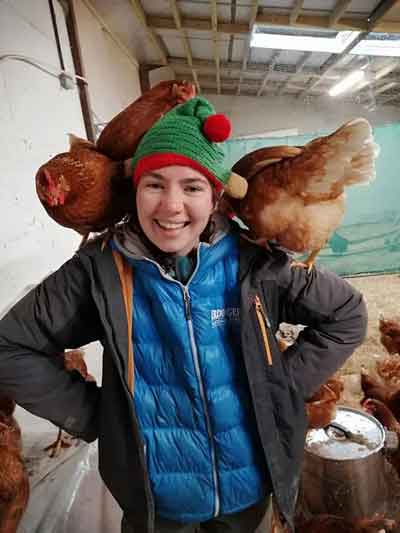
Having a job and young children – life is busy. I can’t be a perfect trustee and do everything. I’ve learnt that I don’t need to.
Our board meetings are planned well in advance, so I know the dates for the year and can organise around them. I probably use four or five days of annual leave each year for my trustee role and then read papers in the evenings when I can. I know some of my fellow trustees also use volunteering days provided by their employer and others are freelance or retired.
I’ve also learnt to be realistic about where I can add value. I’m not going to join a finance or health and safety group when other trustees have far greater expertise in those areas. I can contribute my experience of education, charities, farming, nature and working directly with communities.
Sometimes that contribution simply becomes part of my everyday life. I might see a funding opportunity through work and think of Farms for City Children or find an opportunity to advocate for the charity through my work with schools and teachers.
During the 50th anniversary year, I’ve also been able to bring my family into some of that experience. I took my children to Wick Court’s Open Farm Sunday, where I could volunteer while they enjoyed the farm.
For me, that’s part of making trusteeship work. It doesn’t have to sit completely separately from the rest of life.
A different childhood for my own children
Having children myself has also made me think differently about the childhood I had.
I now live in Newport, my children aren’t going to grow up with the same everyday farm experience that I did. At first, that made me a little sad. Then I realised they don’t have to live on a farm to develop their own connection with nature, food and farming.
There are ways I can give them those opportunities and I hope one day their school might bring them for a week with Farms for City Children.
The experience offers children a glimpse of this whole other world they can explore. I think that opportunity is even more important today than it was when Farms for City Children began fifty years ago.
Through my work, I see the evidence linking nature and wellbeing, but I also see the growing disconnect between children and where their food comes from. Screens take up more and more of children’s time, while opportunities to spend sustained time outdoors can be limited.
A lesson or a day outside is valuable, but there is something different about a residential experience. You cannot replicate what happens over a whole week. I’ve been lucky to see this first-hand in my career, delivering school residentials myself to thousands of children.
Becoming part of the farm
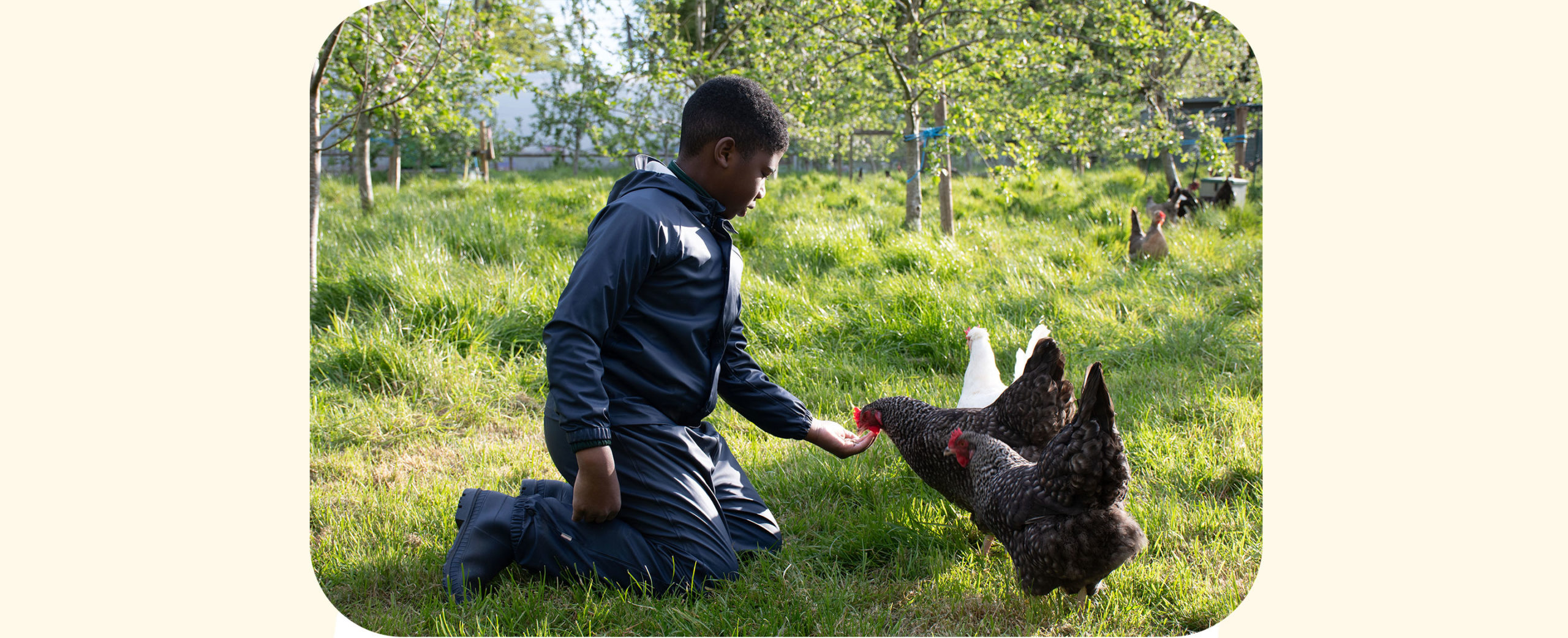
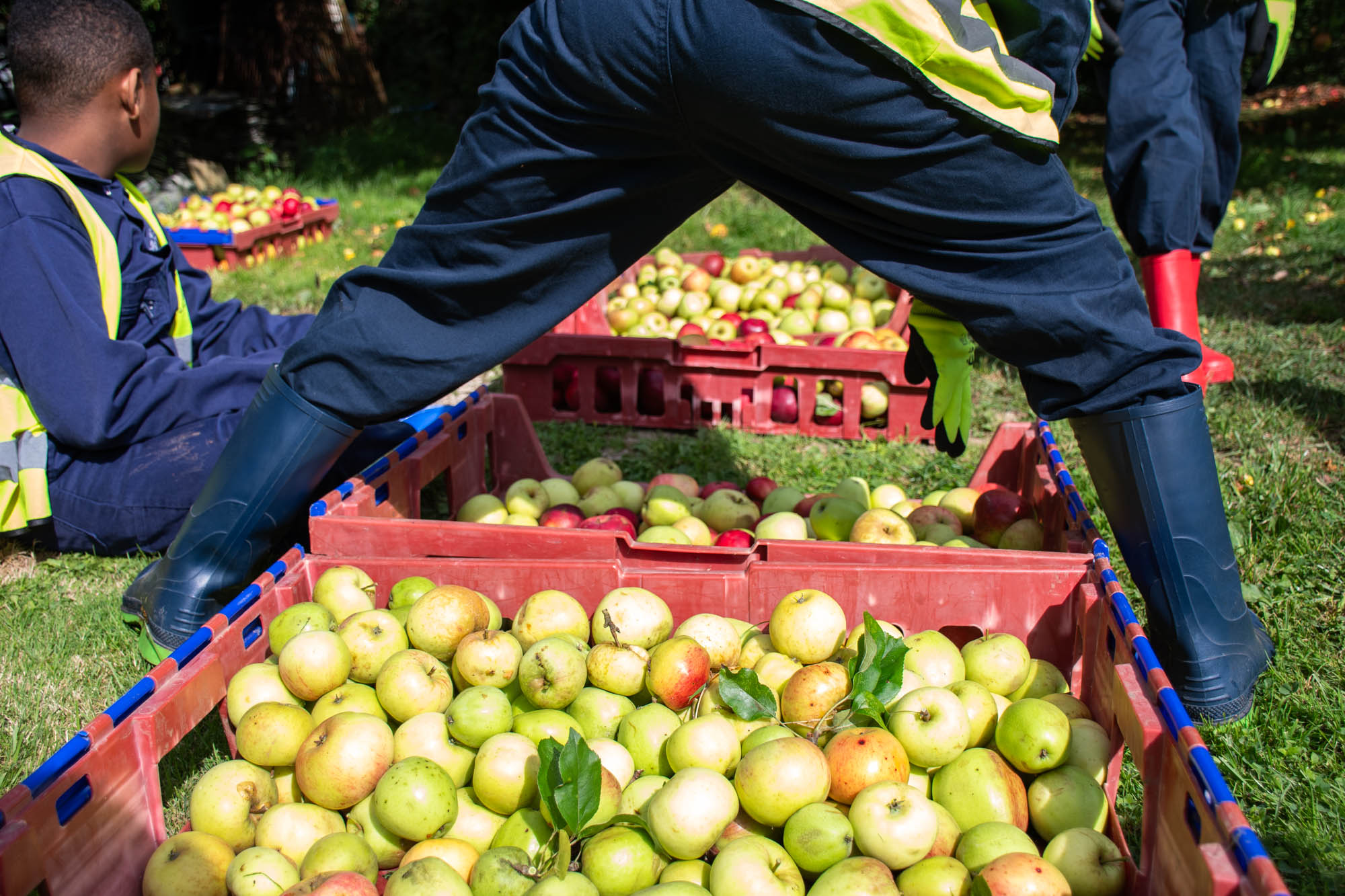
From the moment the bus arrives, children are transported into a completely different way of living. The overalls and wellies go on, they are given real jobs and suddenly they have a purpose and a place within the farm.
They aren’t simply visiting it. For that week, they become a vital part of it.
They learn where their food comes from, but there is so much more happening alongside that. They are talking to each other, taking responsibility, building confidence, working together and experiencing the natural world first-hand.
Those things can be difficult to put a value on, but they are incredibly important.
There is something very special about giving children the time to become completely immersed in a farm for a week. Fifty years after Farms for City Children began, that opportunity feels more relevant than ever”.
Could you become a Farms for City Children trustee? We’re currently seeking a commercial development expert to join our board. You can find more information and how to apply via our Work with us page.
If this isn’t a role for you but you’ve been inspired by Rose’s story and are interested in becoming a trustee for Farms for City Children in the future, please send your name, contact details and a brief summary of what you feel you could bring to the board to recruitment@farmsforcitychildren.org so we can contact you when vacancies become available.