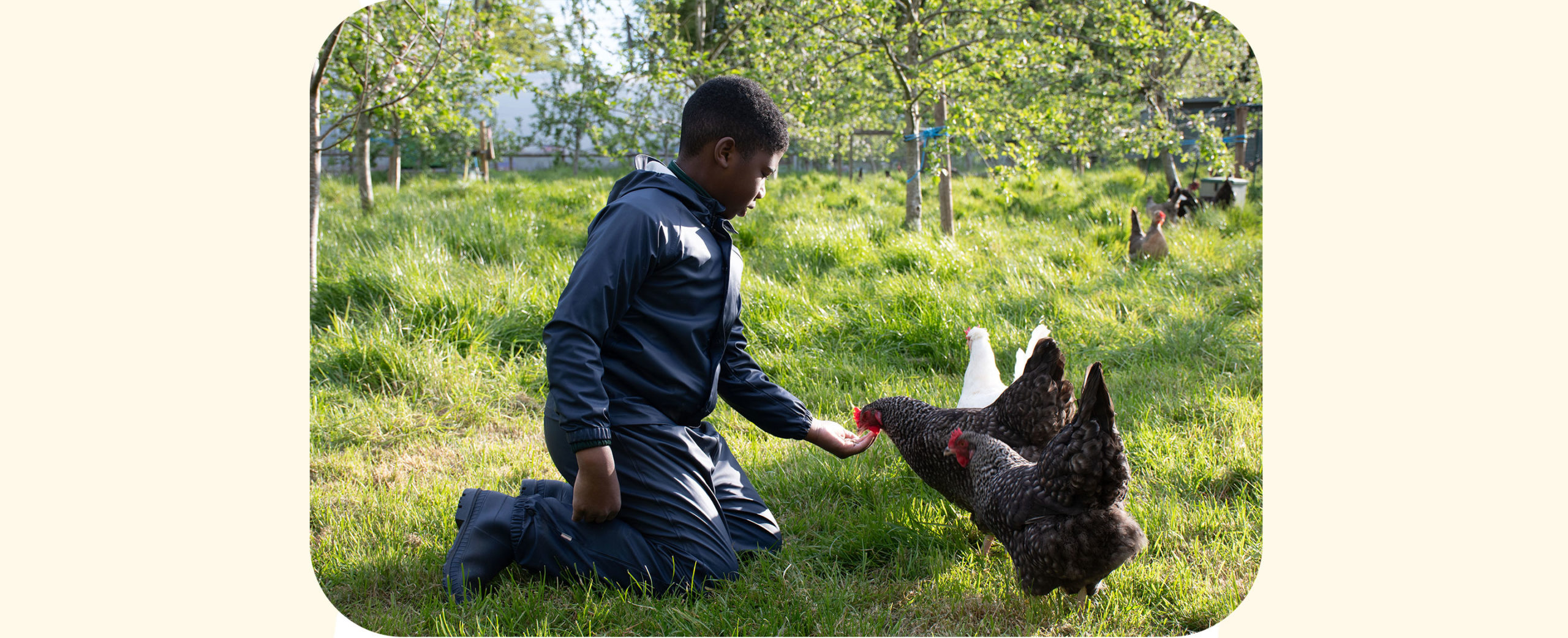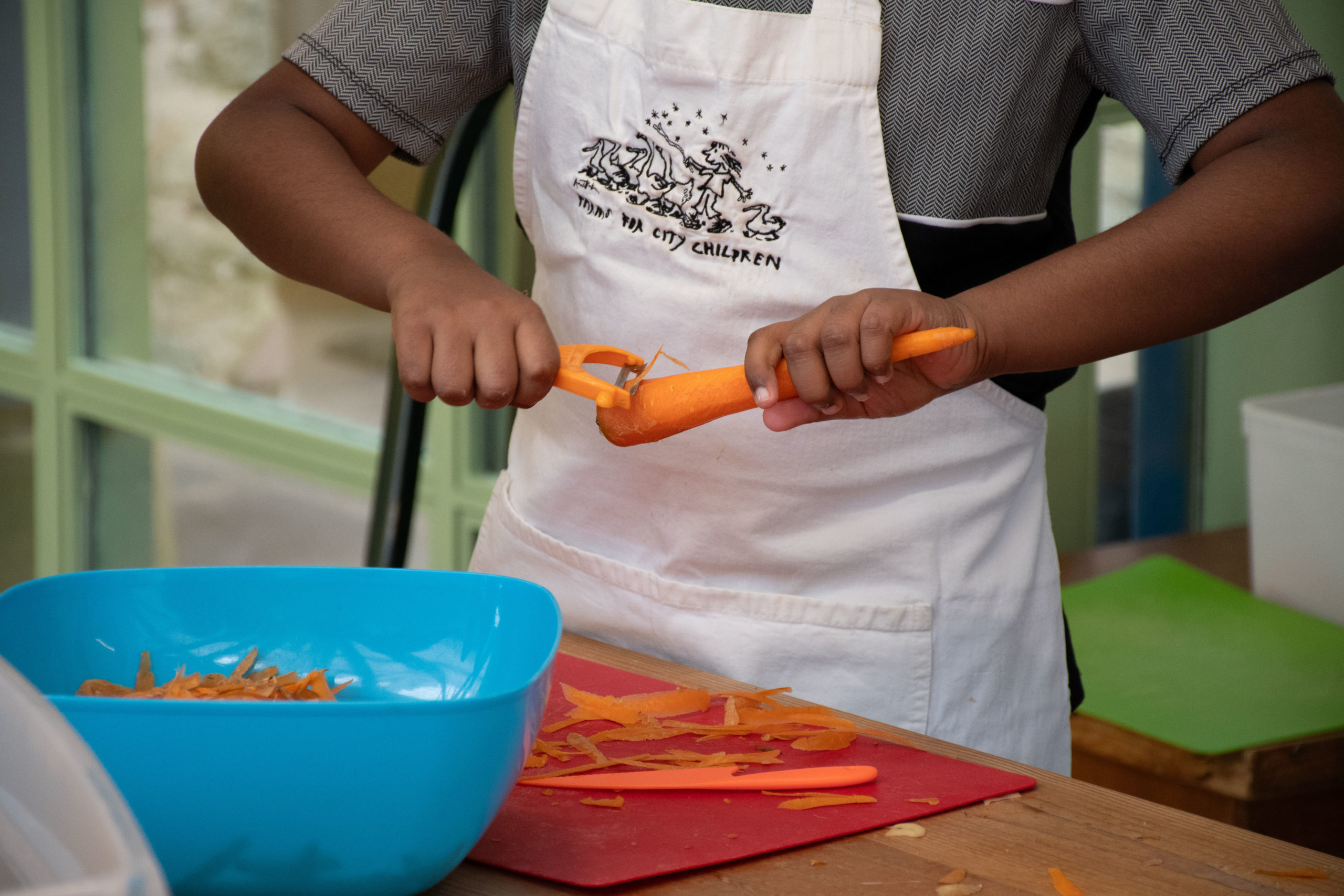
A week at one of the Farms for City Children farms revolves around farm tasks, from early mornings feeding cattle or collecting eggs for breakfast to chopping wood for a warm fire.
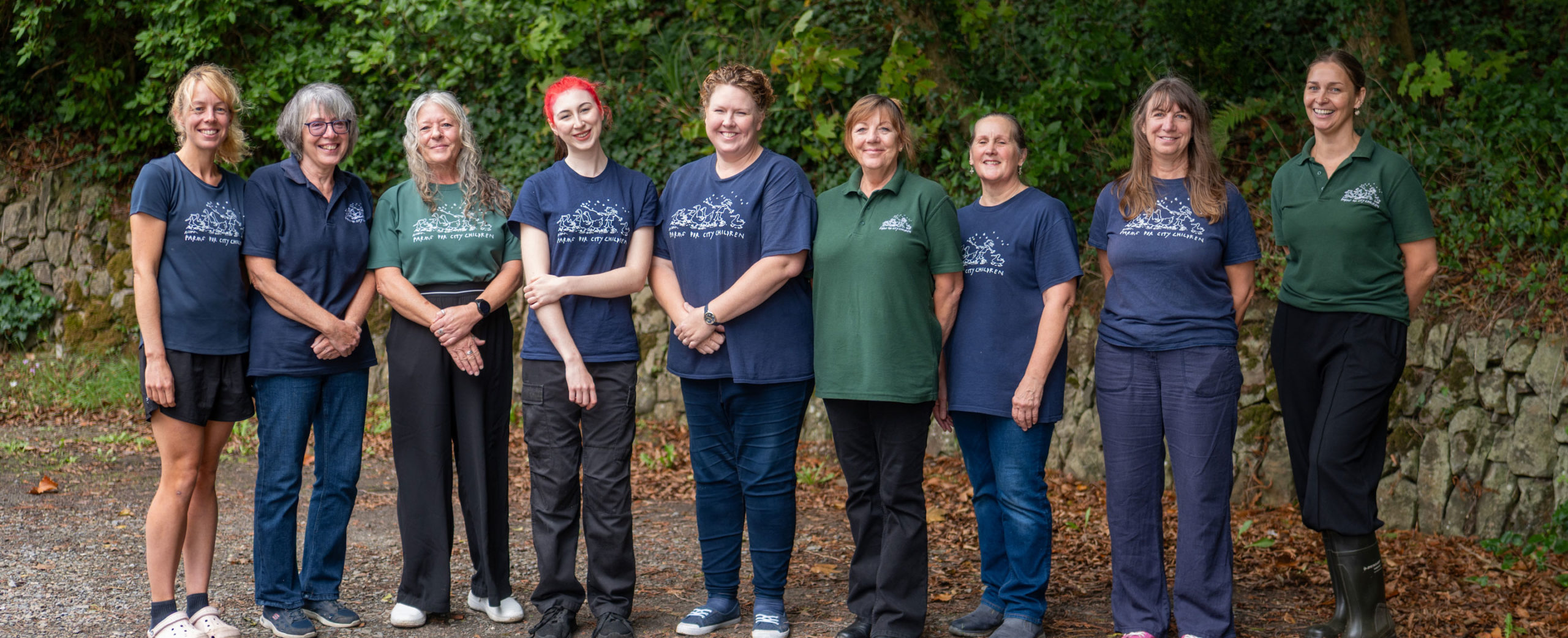
But, aside from the team supporting our young farmers out on the farm there is a vital team which are often behind the scenes but just as important – our kitchen teams. This 50 voices story hears from each farm about the role of food during the week and how nurturing and feeding bellies also feeds minds.
More than putting food on the table
Across Lower Treginnis in Pembrokeshire, Wick Court in Gloucestershire and Nethercott House in Devon, the kitchen teams see children at some of the busiest points in their day. They often arrive for meals rosy cheeked, hungry and full of stories about what they have been doing.
They also see changes in the children that might be less obvious out on the farm.
At Wick Court, Zoe says that the first mealtime can be full of excitement and new information. The children are getting used not just to a different place, but often to different expectations around eating together. Some may not be used to sitting around a table for meals, using a knife and fork or helping to lay and clear a table.
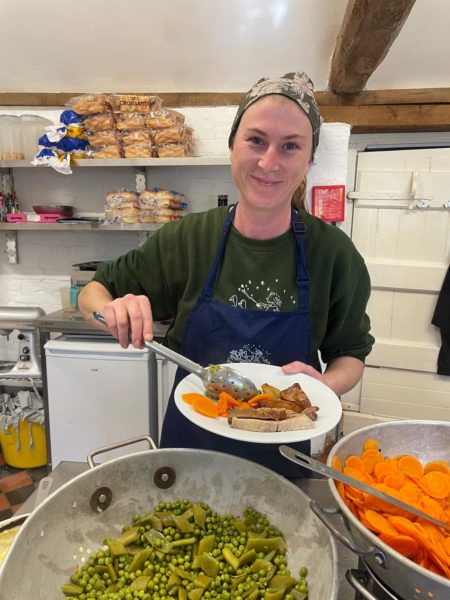
For the first meal, Zoe deliberately keeps things familiar before introducing different foods over the week, it’s usually a spaghetti bolognese or a simple roast on the menu.
Confidence in conversation
At Wick Court children move around the tables during their stay and, when more than one school is visiting, can find themselves eating alongside people they did not know at the beginning of the week. As Zoe explains: “By the end of it, they’re all having a good conversation around the table and making friends.”
It is something Jenny sees at Nethercott too. At the beginning of a week there can be a scramble to be served first, plates piled too high and some reluctance to try anything unfamiliar. Gradually, children learn that there will be enough food, that they can start with a reasonable and realistic sized portion – and that they can always come back for a second helping! By the end of the week they are eating slower, giving them time to enjoy and appreciate their food and chatting to each other about their day.
Because children are split into different groups for farm activities and meals, they can compare their different experiences around the dining table. They might hear about how someone successfully herded a sheep, who pulled up the biggest carrot, or how many wheelbarrows of muck were cleared from a stable. For a child who may be anxious about an activity they have yet to try, hearing their friends laughing about it can be reassuring too.
From the farm to the plate
Perhaps the biggest connection all three teams see children making is between the work happening outside and the meal that eventually appears in front of them.
At Lower Treginnis, Sue describes the difference as, “food yards” rather than food miles. As she explains: “A lot of the children say, ‘Oh, where did you get that from? Tesco?’ And it’s like, well, no, you’ll get to see where it comes from when you go out in the garden.”
For Sue and the team at Lower Treginnis , that connection is part of what makes working at Farms for City Children so different from previous roles in cafés: “The kids come here on Monday and then they have this complete experience of food. They really connect. Here we don’t have food miles, you have food yards, literally.”
Local connection
At Lower Treginnis, food also gives children a taste of where they are staying. Cawl, the traditional Welsh dish, is one example. This summer, one visiting school was initially hesitant about trying it. By the end of the meal the bowls had been cleared and the school took the recipe home with them. The children later made cawl again back at school, a simple example of learning on the farm carrying on after a group has left and finding its way back into the classroom.
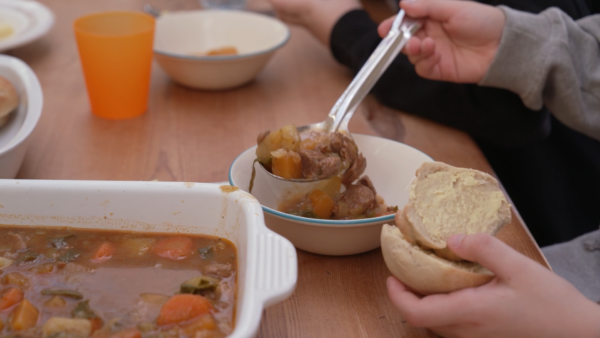
The same connection runs through the kitchen at Nethercott, where Jenny works with the farm and garden to use farm-reared meat and produce from the Victorian walled kitchen garden. At times that means creating a “100% plate”, where everything being eaten has come from Nethercott – often harvested by the children too!
Seasonality is part of that learning too. In autumn, an abundance of tomatoes, onions, garlic, basil and oregano can be turned into batches of pizza sauce and frozen, allowing produce from the garden to be used later in the year.
“I made this”
Cooking gives children another opportunity to become part of the meal rather than simply the person eating it.
At Wick Court, Zoe notices how much conversation it creates. A group that has helped make part of lunch or dinner cannot wait to tell everyone else about it.
“They are so proud and they’re always chatting to each other. ‘Oh, I’ve made this. It was really good. Oh, we had to do this.’”
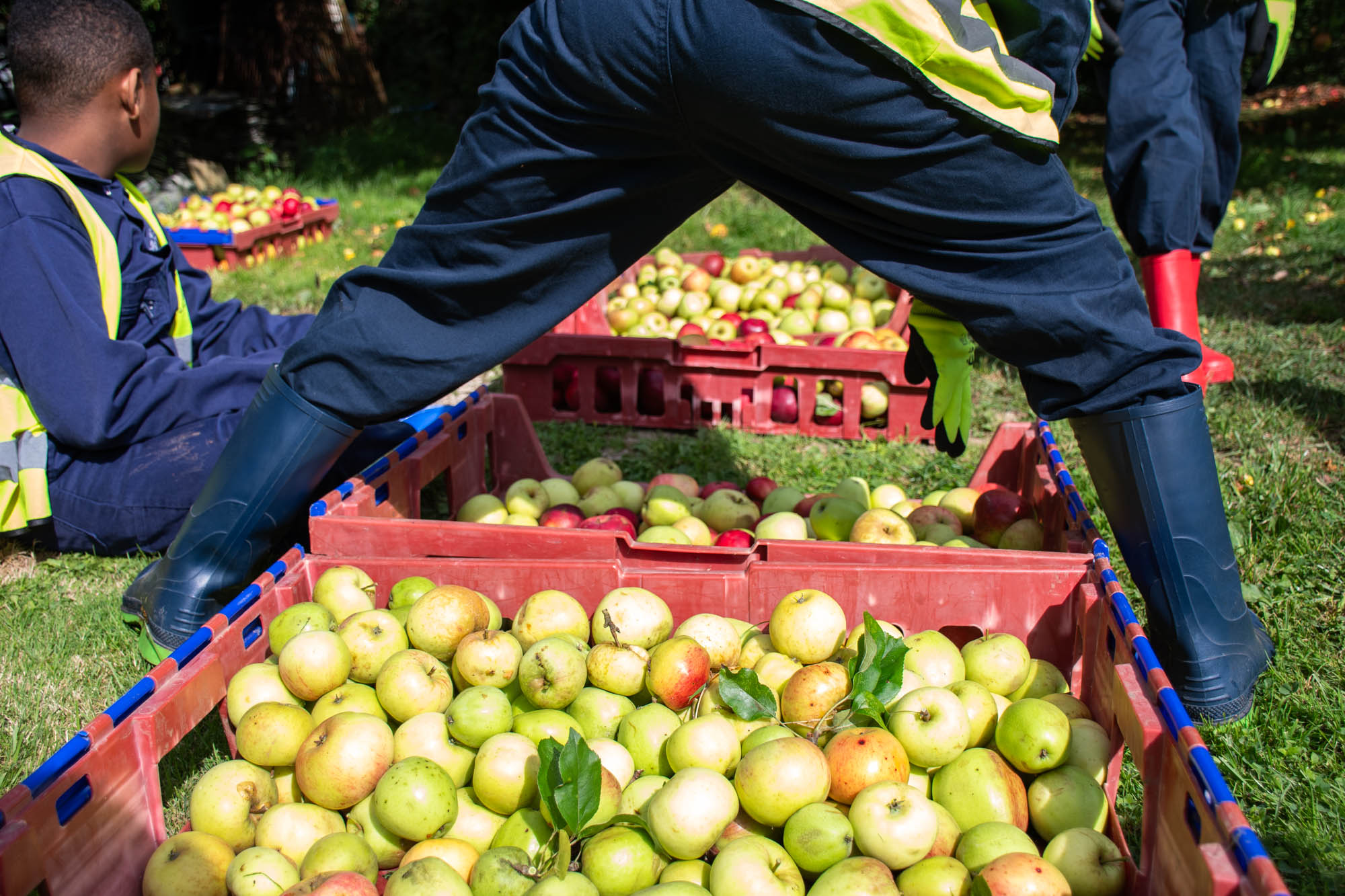
For some children, even discovering how an everyday ingredient grows can be a revelation. Jenny remembers walking to the orchard to collect apples when one child announced that he had not known apples grew on trees. When asked where he thought they came from, he simply said he had never really thought about it.
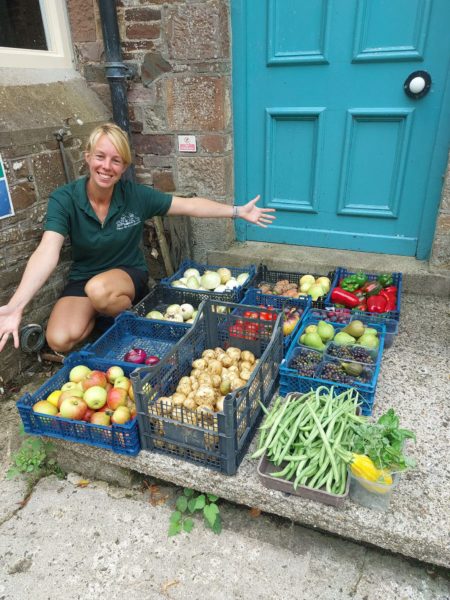
Potatoes dug from the soil can bring the same sense of surprise. Harvesting, preparing and eating what has been grown makes visible the work behind food they may previously only have encountered on a supermarket shelf.
At Nethercott, Jenny works with children to make crumble using apples or rhubarb they have helped harvest.
Learning skills to take home
The kitchen teams are also helping children practise the everyday skills that make a community work.
Zoe remembers one girl brushing the floor after breakfast at Wick Court and proudly announcing: “Oh, I know how to brush up now. I can go home and help.”
Children also talk about showing their families how to make bread or cook something they have learnt during the week.
At Nethercott, Jenny sees children begin to notice how their own actions affect everyone else. After helping to clean the dining room, there is often rather less food on the floor at the next meal.
And at all the farms, what is left on the plate becomes another lesson. Uneaten food is scraped into a waste bucket before making its way into the composting system, where children see how it can eventually help more food to grow.
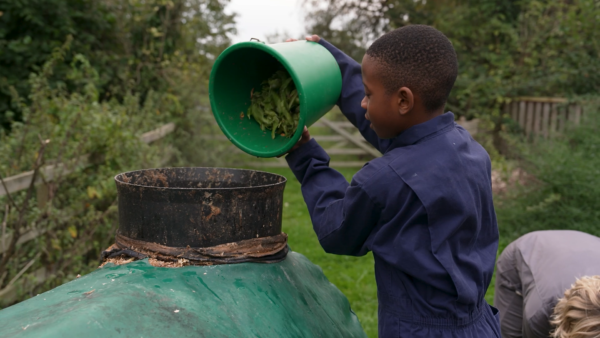
“Some of the children are quite shocked at how much food they actually waste,” Sue says. Rather than food simply disappearing into a bin, they can follow what happens next and we find as the week goes on less is wasted too”.
A place to come back to
Food also has a more immediate role during a residential week away from home. After hours outdoors, particularly on a wet winter day, the dining room is somewhere children can come back to for warmth, food and familiarity.
Sue laughs that she might have the best job when the farm team have had the children outside in the rain: “They’ve been out there… all wet and cold and then they’re coming into us to have some warmth and some nice food.”
But beneath the joke is an important part of the kitchen teams’ role. They know that food can be a source of anxiety as well as pleasure. Dietary requirements need to be understood, children need to know they will have enough to eat and those worried about unfamiliar meals need to feel safe trying something without being forced to finish it.
That reassurance matters in a week full of new places, new tasks and new expectations. The kitchen teams help create a sense of safety and familiarity that allows children to settle, refuel and head back out again.
Feeding hearts and minds
The menus and the food children eat may have changed during Farms for City Children’s 50 years, but the role of the kitchen remains central to the week.
The carrot pulled from the ground, the eggs collected before breakfast and the flowers collected to adorn the tables at meal times all become part of something bigger: understanding where food comes from, contributing to its preparation and seeing the care and work behind what ends up on the plate and the shared meals.
Sue describes her role at Lower Treginnis as truly rewarding “it’s life changing,” she says.
Feeding children during their week with Farms for City Children is about much more than making sure nobody is hungry. It gives them confidence to contribute and try new things and helps them make connections between food, farming and everyday life.
They leave having a greater understanding of where food comes from and the care and hard work behind every plate. They know how to make bread, appreciation that apples really do grow on trees, take a Welsh recipe back into the classroom, or are simply delighted that they now know how to brush up and can help more at home.
You can help more young people experience a week where food, farming and learning come together in ways they can carry home with them. Find out more about how you can Support us.