As Farms for City Children marks our 50th anniversary, our 50 voices series is celebrating the people, places and stories that have shaped five decades of farm-based learning.
In this piece, our Farm School Manager Gethin reflects on returning to Wales and finding, at Lower Treginnis, both a sense of hiraeth and a renewed belief in what education can be. Through his story, we explore how place, belonging and participation can help children feel grounded, needed and connected, and why a week on the farm can stay with them long after they return home.
When I returned to Wales after years of working in schools in the Midlands, I carried with me more than boxes and books. I carried a feeling that many Welsh people know instinctively but often struggle to translate into English: hiraeth. Hiraeth is often described as a longing for home, but it is deeper than homesickness. It is a pull towards belonging, memory, landscape, language and identity all at once.
I did not fully understand the weight of hiraeth until I came back.
Returning to a different idea of education
Working in mainstream education taught me a great deal. I met passionate teachers and resilient young people, and I saw schools working hard to support children in increasingly difficult circumstances. Yet over time, I found myself questioning what education had become for many children. So much of their experience was dominated by targets, assessments and routines. Childhood itself seemed increasingly managed and monitored. There was little space for stillness, wonder or genuine connection with the world around them.
I realised I was longing not only for Wales, but for a different idea of education.
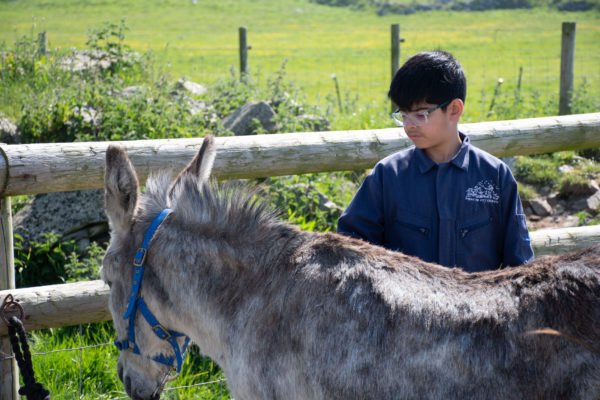
At Lower Treginnis, I found that idea waiting for me. The farm has reminded me that education does not always happen best at a desk. Sometimes it happens while carrying feed buckets before breakfast. Sometimes it happens in the quiet trust between a nervous child and a stubborn donkey.
A second home through shared work
The children who come to us often arrive carrying their own forms of hiraeth, though they may not have the words for it. Many come from cities where green space is limited and life feels fast, noisy and crowded. Some arrive homesick. They miss familiar bedrooms, parents, siblings, pets and routines.
But slowly, something shifts.
The rhythm of the farm begins to hold them. Children who arrive withdrawn or anxious start to settle into new routines and begin to understand that they are needed here; their contribution matters. In many ways, the farm becomes a second home.
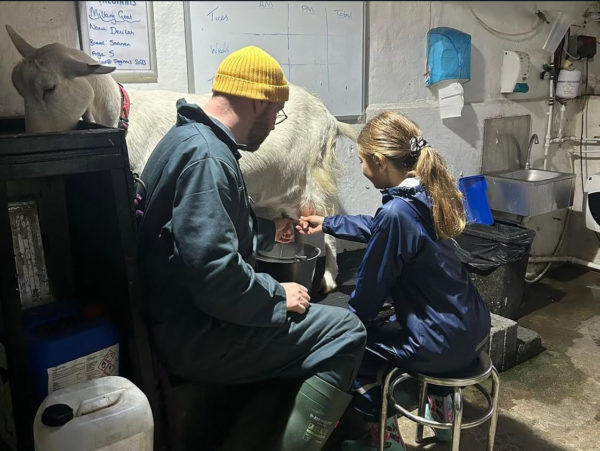
Not because it replaces the homes they miss, but because it offers something increasingly rare: belonging through participation. Children are not simply entertained here, they are trusted. They help care for animals, prepare food and look after one another. They become part of a living community and that sense of responsibility is transformative.
How place shapes learning
Returning to Wales reminded me how deeply place shapes learning. Here, children experience the physical reality of the seasons. They learn that the world is not separate from them. In cities, nature can sometimes feel distant or decorative. On the farm, it becomes immediate and unavoidable. Rain matters. Soil matters. Animals matter.
And perhaps most importantly, children begin to matter to themselves in a new way.
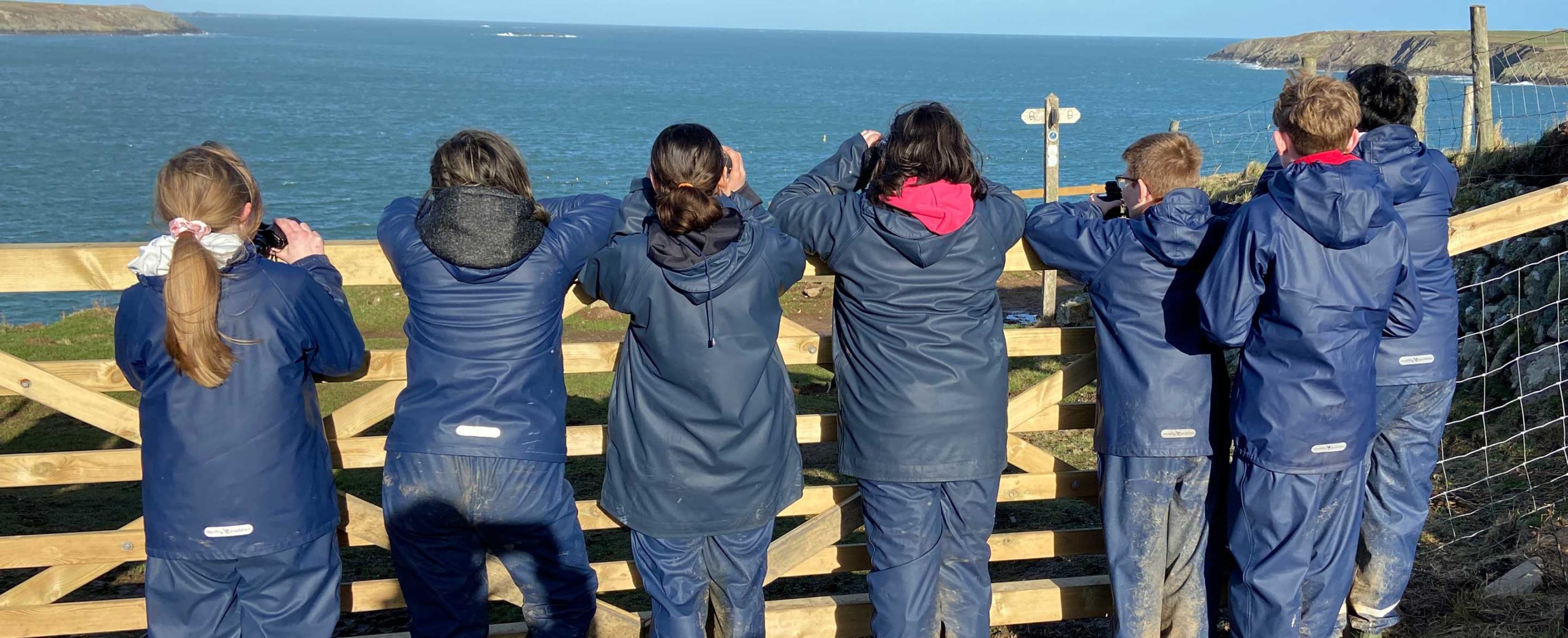
There is something profoundly healing about giving children space to slow down. Walking across fields and along the Pembrokeshire Coastal Path, children talk openly about fears, families, and hopes for the future. The absence of constant screens and pressures creates room for reflection. Many arrive overstimulated and exhausted without fully realising it. By the end of their stay, they often seem lighter somehow – muddier, certainly, but calmer too.
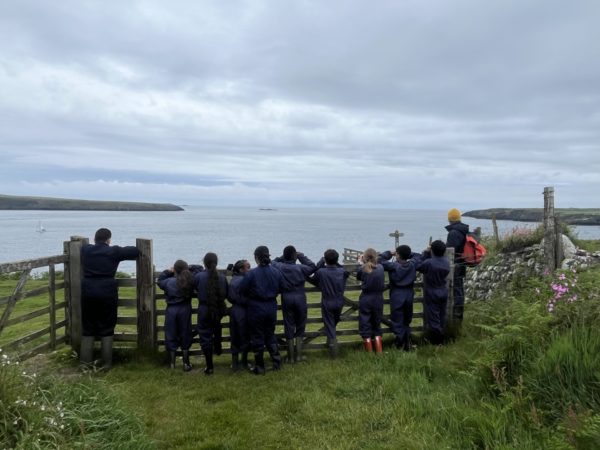
I sometimes wonder whether hiraeth itself is really a longing for connection. Not only connection to a place, but to a way of living that feels more human. At Lower Treginnis, I see children reconnecting with things they did not know they were missing: open skies, shared work, silence, responsibility and community.
In returning to Wales, I found myself returning to these things too.
The farm has reminded me why I entered education in the first place. Not to produce perfect results on spreadsheets, but to help children discover confidence, belonging and purpose. Education at its best should not only prepare children for the future; it should allow them to experience childhood fully in the present.
The belonging children remember
Hiraeth is often described as a yearning for a home to which you cannot fully return. Perhaps that is because home is never only a building or a location. It is a feeling of being grounded, recognised and connected. For many of the children who come to Lower Treginnis, the farm becomes part of that feeling. Long after they return to their homes, they remember early mornings in the fields, muddy boots, the sound of animals at dusk and the comfort of shared meals after long days outdoors. They remember that, for a short time, they belonged completely to a place and to the people around them.
Perhaps that is what education should offer every child – the chance to feel grounded, needed, and connected to something larger than themselves. Because long after facts are forgotten, it is those moments of belonging that become hiraeth.
If Gethin’s story has inspired you, find out how your school could experience a week of farm-based learning with Farms for City Children. From caring for animals and growing food to building confidence, connection and belonging, a residential stay gives children and young people the space to learn, grow and discover what they are capable of.