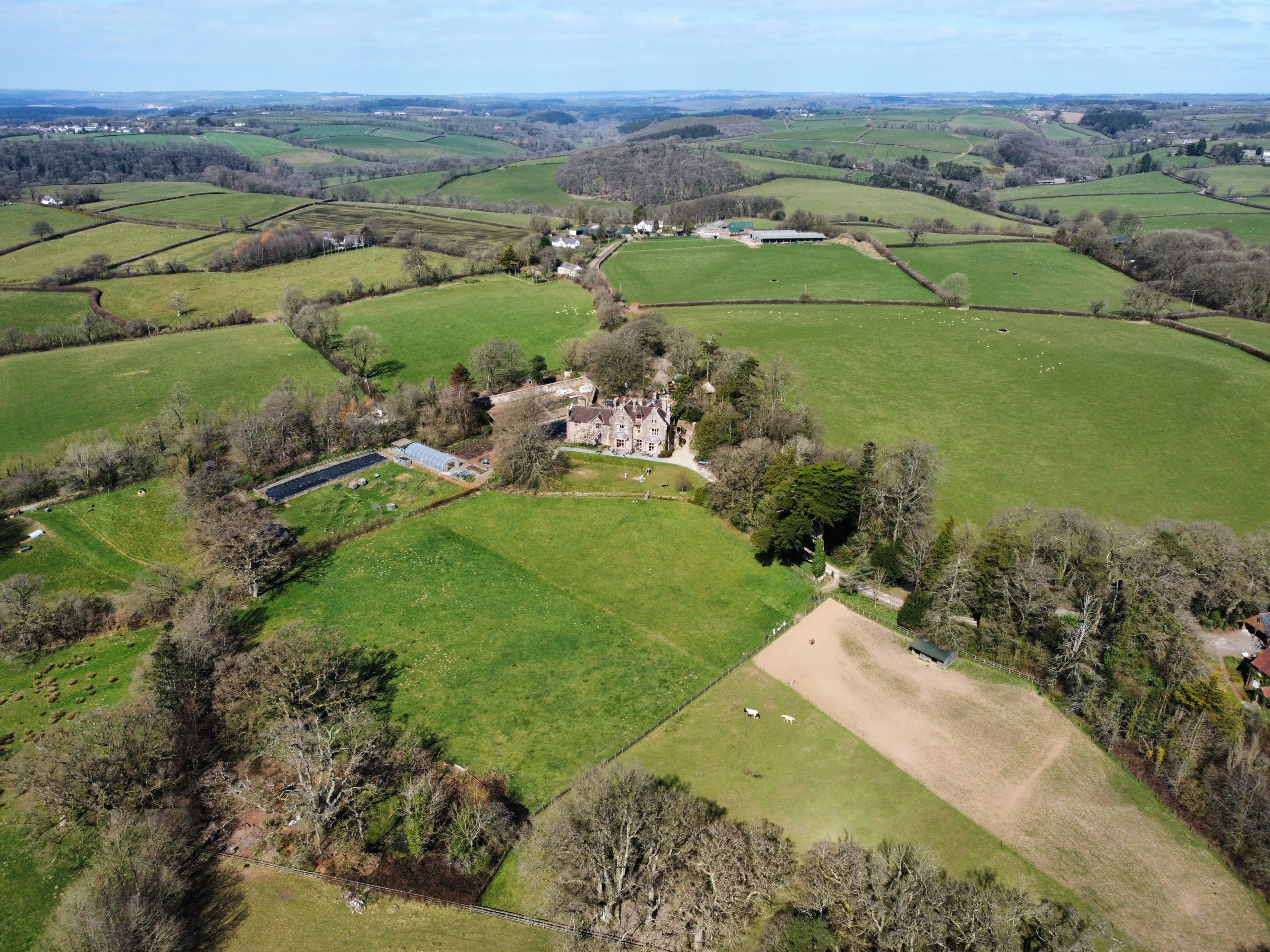
As Farms for City Children marks its 50th anniversary, our 50 voices series is celebrating the many ways a week on the farm can stay with a child long after they close the farm gate.
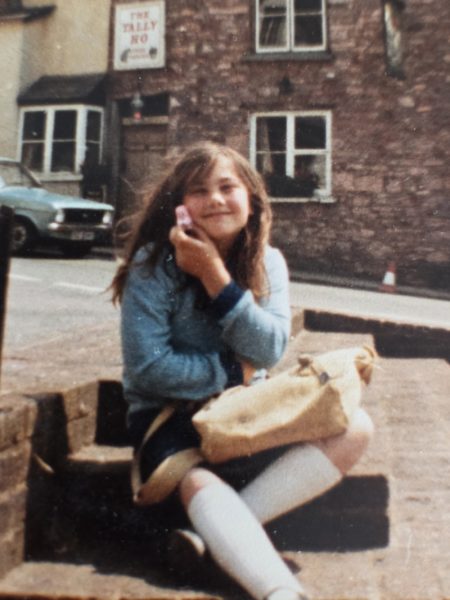
For Lou Challice, who visited Nethercott House in 1980 as a nine-year-old from Luckwell Primary School in Bedminster, Bristol, that week became one of those rare childhood experiences that never quite leaves you. More than four decades later, Lou is still talking about it, still remembering the animals, the stories and the feeling of stepping into a different world.
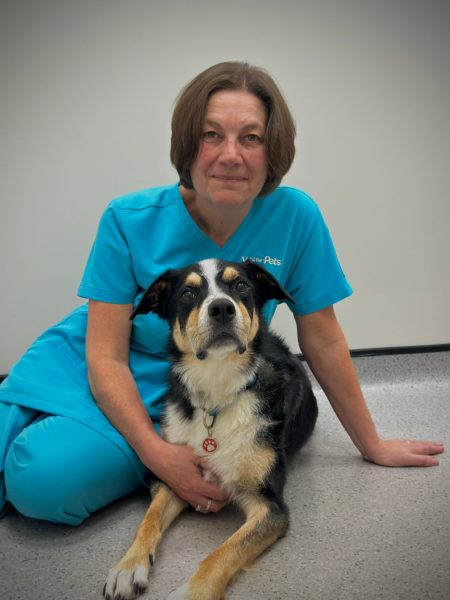
Now a veterinary nurse with a lifelong love of animals and the outdoors, Lou reflects on how one week on the farm left a positive imprint across a lifetime.
From Bristol to Nethercott
Although Lou had grandparents in the countryside and spent some weekends away from the city. She does not remember having been to a proper working farm before her visit to Nethercott.
“I was quite lucky because my grandparents lived in Yatton, so I did get out to the countryside most weekends,” she says. “But I don’t ever remember at that point having been to a proper farm or being with animals close up.”
“It is just genuinely one of those things that I’ve always talked about as I’ve grown up.” she says. “I’ve never forgotten it. I’ve told my children about it.”
Stories after tea
One of Lou’s clearest memories is not from the fields or farmyard, but from the quiet part of the day after tea and before bed.
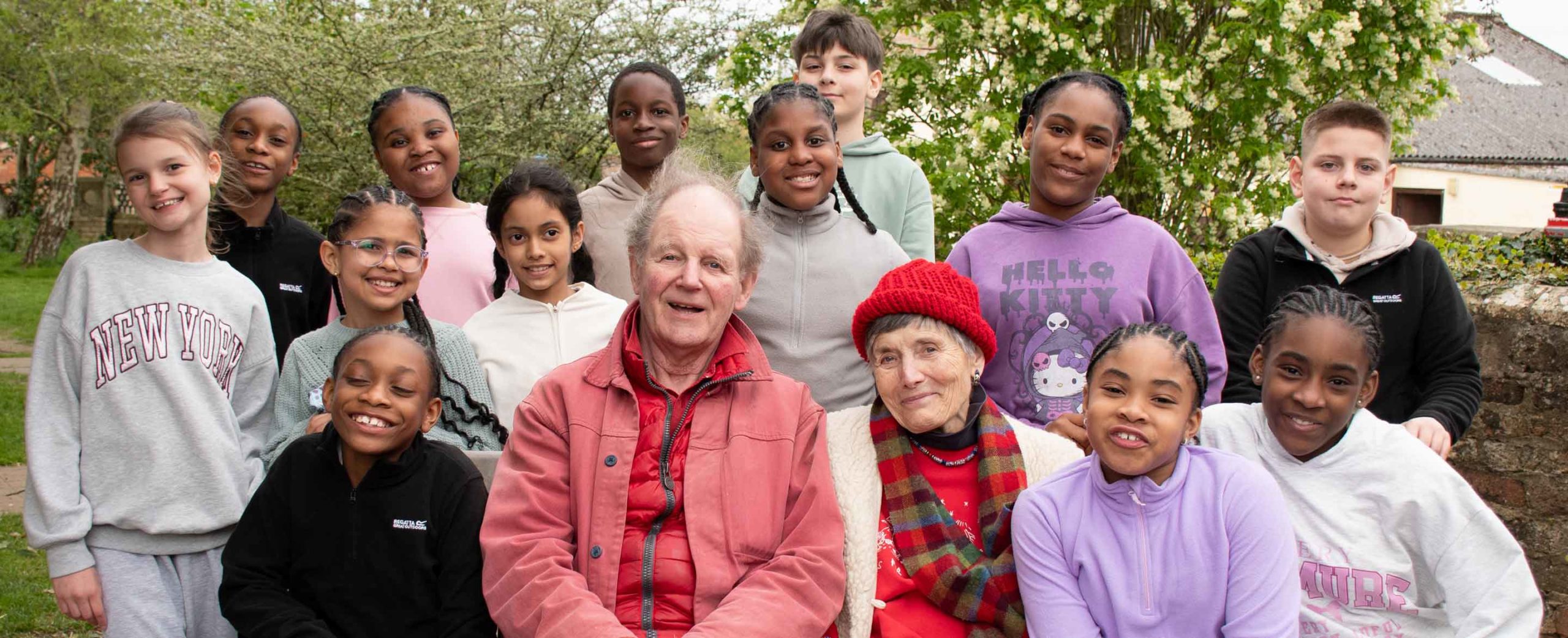
Michael Morpurgo would read to the children in the evening. Some of the stories, Lou remembers, had not yet been published. For a group of busy nine-year-olds from the city, full of the excitement of the farm, those moments had a particular kind of magic.
“He would read us little excerpts of various things, which just mesmerised us,” she says. “You imagine a group of city, busy nine-year-olds trying to calm down before bed that had never been to a farm before. Everyone was just absorbed in his storytelling. Everyone was calm.”
It is a small memory, but an important one. It captures something that has always sat at the heart of Farms for City Children: the meeting of practical farm life, imagination, care and wonder.
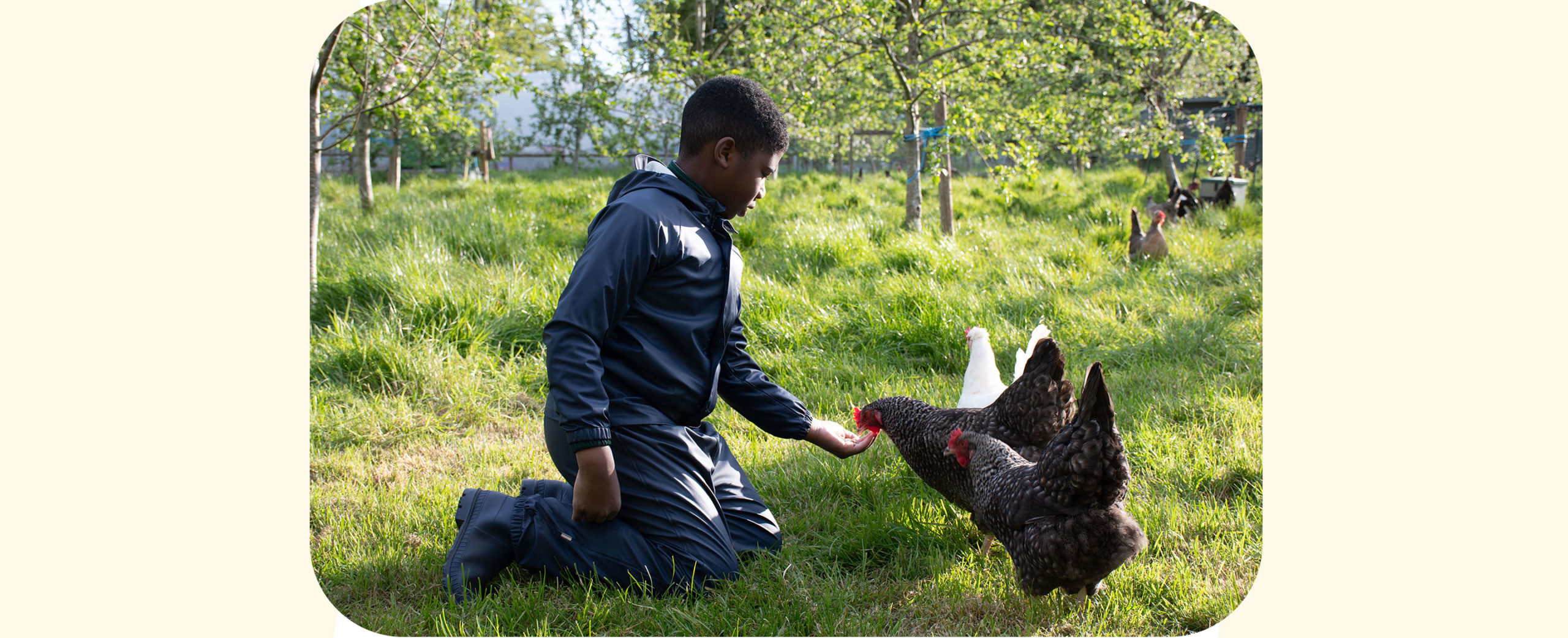
The children were not just visiting the countryside. They were living in it, listening to it, learning from it and making memories that could last for decades.
Calves, Charolais and Ferraris
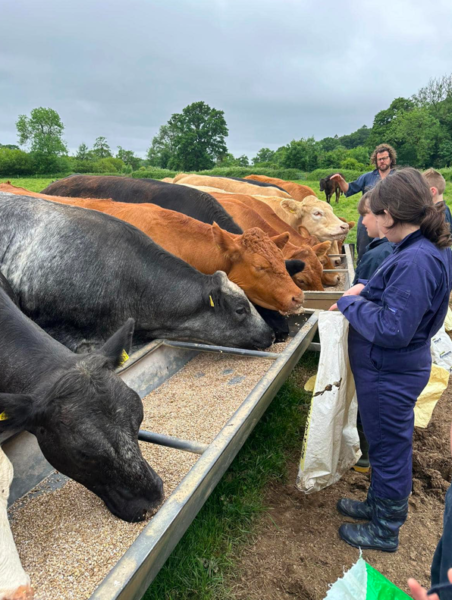
Another memory that still makes Lou smile came during a session with calves.
Michael had been talking to the children about cows and breeds of cattle. Later, when he asked whether anyone could remember the type of cow they had been learning about, someone replied with great confidence that it was a Ferrari.
The answer, Lou now knows, was Charolais.
“I don’t know if it was me,” she laughs. “It could have been me because my dad was really into Formula One. But somebody said Ferrari and he thought that was really funny.”
It is the sort of moment children remember because it is funny, human and real. It also says something about learning on the farm. The children were not sitting in a classroom trying to memorise facts. They were meeting animals, asking questions, making mistakes, laughing and learning through experience.
A week that bonded a class
When Lou returned to school, the children shared their experience in assembly with those who had not been on the visit. They wrote stories and talked about what they had seen and done. Looking back, Lou feels the week gave the class something shared.
“I think it bonded us all that little bit more,” she says. “When you’re nine, you’re in and out of best friends and things like that, but it was something we would always have. A connection.”
That sense of connection is something many past visitors describe. A week on the farm asks children to work together in new ways. They share bedrooms, meals, jobs and a comfy chair to listen to stories. They share early mornings and the small triumphs of doing something they thought they could not do.
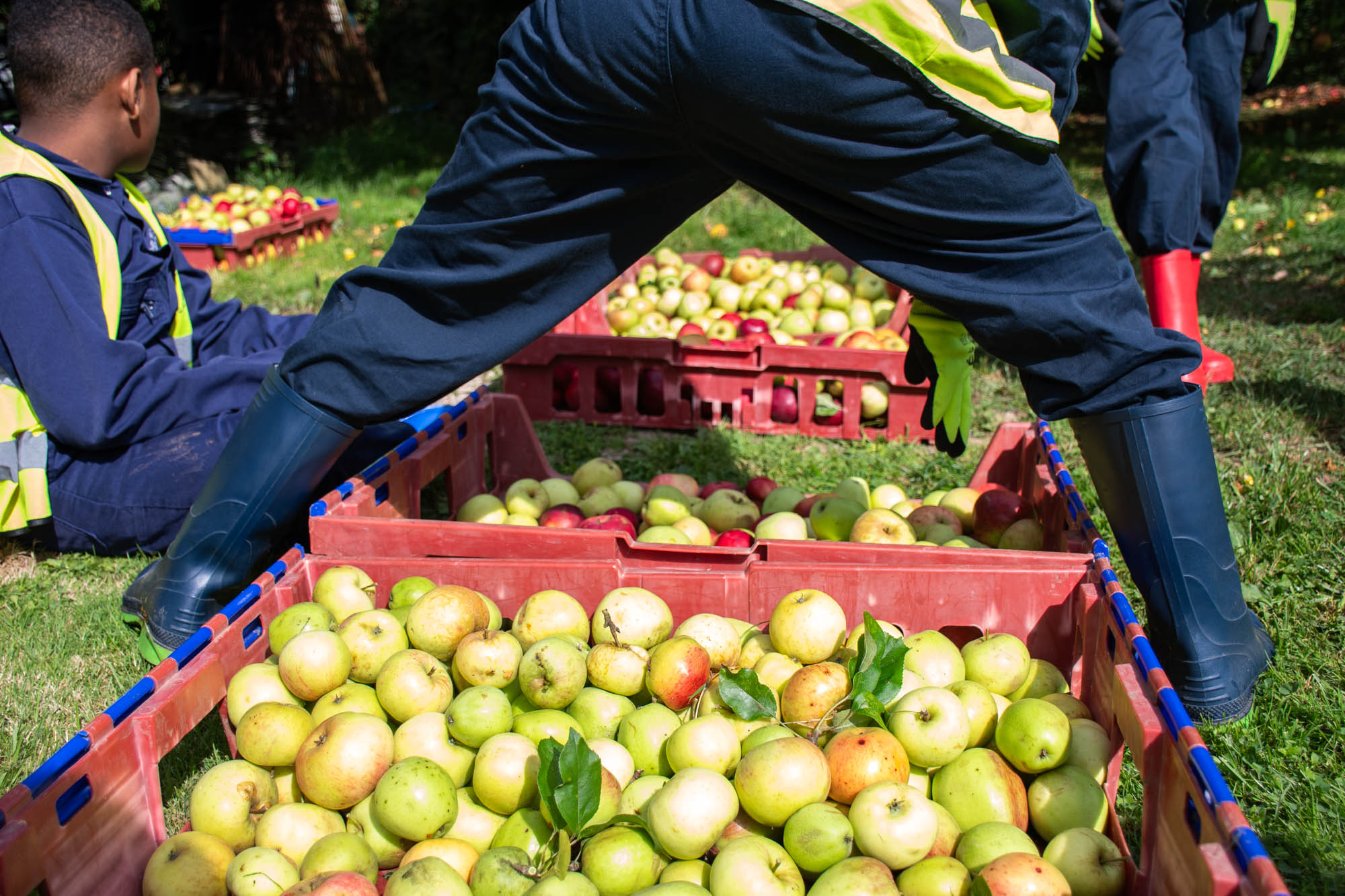
For some, it is the first time away from home. For others, it is the first time they have fed an animal, collected eggs, cooked something they have helped harvest, or stood in a field with space stretching around them. For Lou, it became part of the story she carried into adult life.
A love of animals and the outdoors
Lou feels that the week at Nethercott played a part in deepening something important, an imprint on her life.
“I think it definitely gave me a love for outdoors, definitely for nature and animals,” she says.
That love soon became practical. At around 14, Lou began volunteering in a veterinary practice on Saturday mornings, helping to hold animals and, again, learning by doing. She stayed a little longer each week until the practice began paying her £5 for a Saturday.
After school, she started A-levels, but quickly realised that the classroom was not where she was meant to be.
She had already been offered a job at a practice where she had done work experience, so after just four days of A-levels, and with her mum’s blessing, she left to begin her working life. Lou qualified as a veterinary nurse in 1991 and has spent more than three decades in veterinary care, including many years as a head nurse.
A golden thread
There is a golden thread running through Lou’s story.
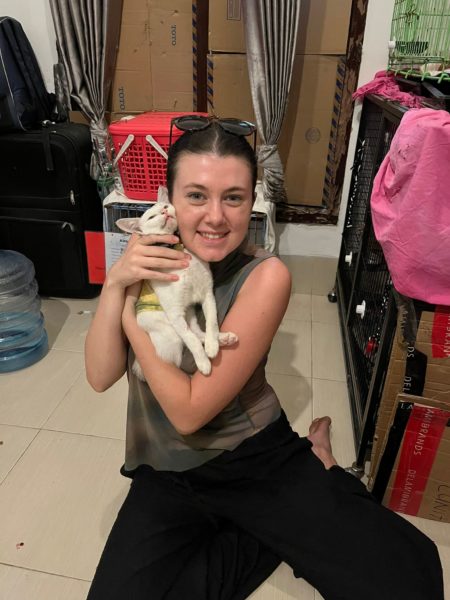
A nine-year-old girl from Bristol visited Nethercott House and discovered the energy, responsibility and joy of farm life. Lou grew up with a love of animals and nature. She built a career in veterinary nursing. Raised daughters who have also gone into caring roles. One as a veterinary nurse (pictured below) involved in animal welfare overseas and one working with autistic children and young people.
The farm did not write the whole story, but it helped plant something positive that continued to grow.
Even Lou’s family understood what the experience had meant to her. On her 50th birthday, her mum bought her a Farms for City Children mug and tea towel. “She knows how much it meant to me,” Lou says.
Space to grow
More than 40 years after Lou first arrived at Nethercott House, Farms for City Children is still welcoming school groups to its farms. Giving children the chance to learn through real work, shared responsibility and time in nature.
A week on the farm can grow confidence, independence, teamwork skills, curiosity and resilience. For some, like Lou, it can also nurture a lifelong connection to animals, the outdoors and practical care.
If Lou’s story has inspired you to think about what a farm visit means for children, perhaps you can help us support more children and young people spend a life-changing week on our farms.