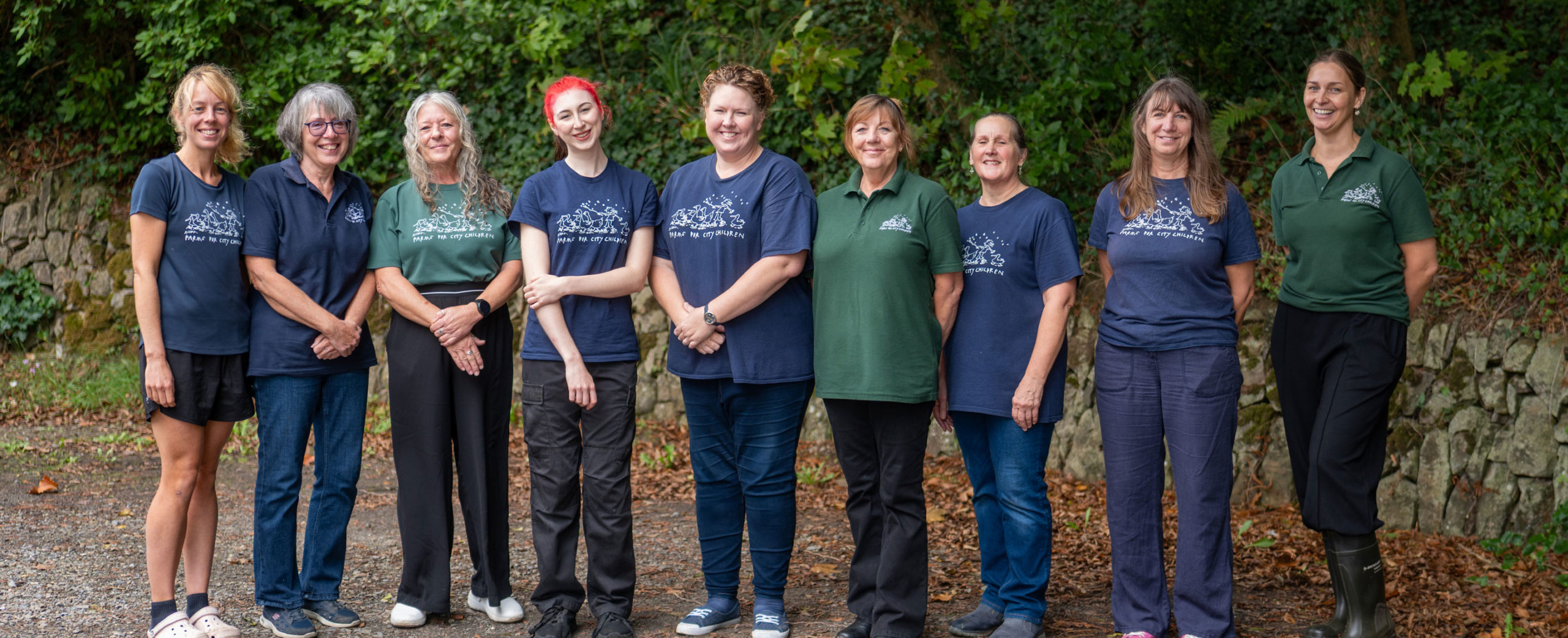
Katy Martin joined Farms for City Children as Farm School Manager at Nethercott House in January 2020. Just a few weeks later, the pandemic brought school visits to an abrupt halt and the farm fell silent. Six years on, as part of our 50 voices series, Katy reflects on how the world shutting down meant she had to learn Nethercott from the ground up. She shares how the farm geared up to welcome children back, and why the vision that began here 50 years ago feels more important than ever.
The day everything changed
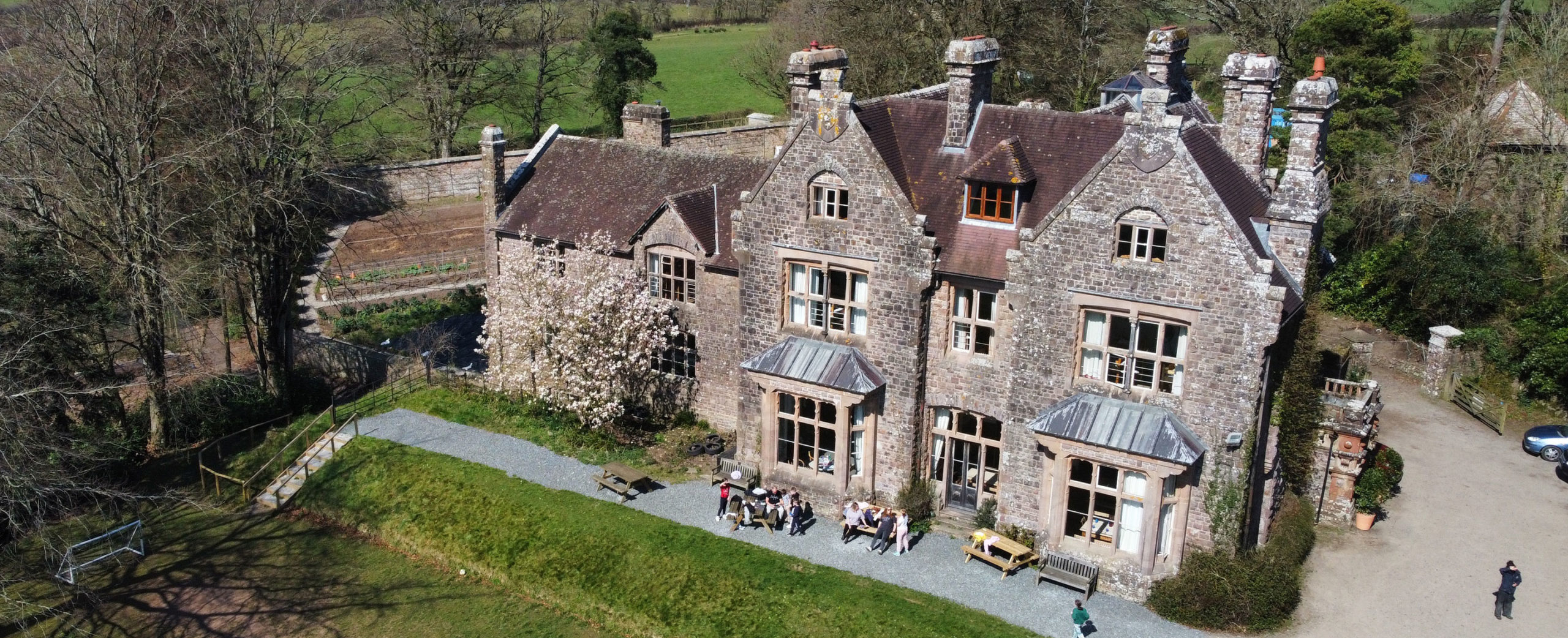
We moved to Devon, as a family, for me to take up the reins as Farm School Manager at what was, without a doubt, my dream job. Having worked in education with young people from early years right through to late teens for sixteen years, I was ready for the new challenge and quickly became immersed in my team, learning the ways of the farm and quirks of a heritage building.
I had only welcomed my first eight visiting schools when Covid hit and turned this new world of mine upside down.
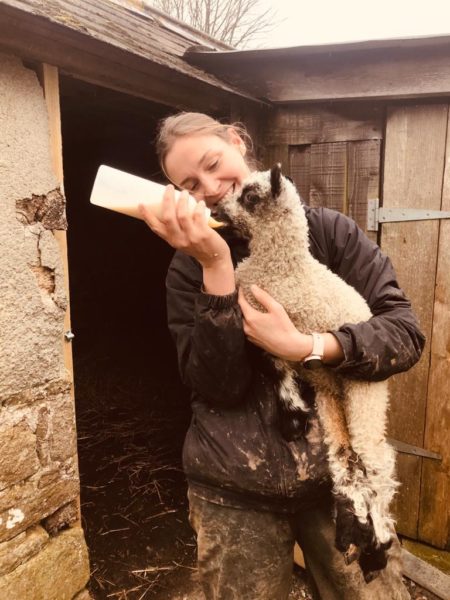
Nethercott has no televisions or radios, so while the world beyond the farm was changing rapidly, the children remained immersed in farm life, merrily tending to their farm that lay all around them.
Whilst we worked with the children of St George’s Church of England Voluntary Controlled Primary School, David Ward, our partner farmer, said something that has stayed with me: “This might be the last lesson you have for a while. It’s right that we are outside and able to do this together.”
And then, at the end of the week, the children left. The farm went quiet.
Learning Nethercott from the ground up
That silence brought a huge amount of learning for me.
To keep the farm going and in line with the guidance at the time, I formed a bubble with Adam, our Farm Operations Manager, and his family. I had to learn all things Nethercott in a completely different way. Learning about the mechanics of the place, where the stopcocks are, what every building needs and how the seasons dictate what happens next. Gaining knowledge about farming, the land and the thousand small things that keep a place like this going, ever grateful to Adam for his time, patience and extensive knowledge, which he shared so kindly.
The lanes fell silent as the trudge of wellies paused. Without the children here, I noticed everything else: the sea of untrampled wild garlic, the blackbird in the garden. A very different place to that which I’d inherited only weeks before.
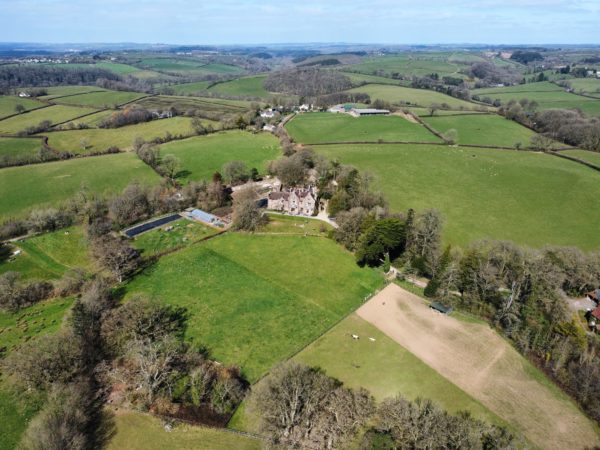
Michael wrote A Song of Gladness, inspired by that blackbird singing in the vegetable garden during lockdown. The farm was waiting.
Building new opportunity
I managed to bring some children to the farm in those months which followed, through day visits, all outside and safe. And time went on until, months later, as things settled, I built a new team and found a way to welcome children back safely for residentials. We adapted our model, with five days of young farmers followed by a 48-hour gap between groups. Parents and schools had to put enormous trust in us in those early days, and they did.
Prior Weston was the first school we welcomed back in September 2021 (they were with us again last month), followed by other familiar schools and some new ones too. Each as thrilled as the next to be learning outside, where life is real. It was incredible to welcome our returning teachers not simply as visitors, but as old friends. And it felt as though the children needed Nethercott more than ever.
An idea rooted in childhood
This year, as Nethercott celebrates 50 years since the first children arrived, I’ve thought a lot about where that original idea came from.
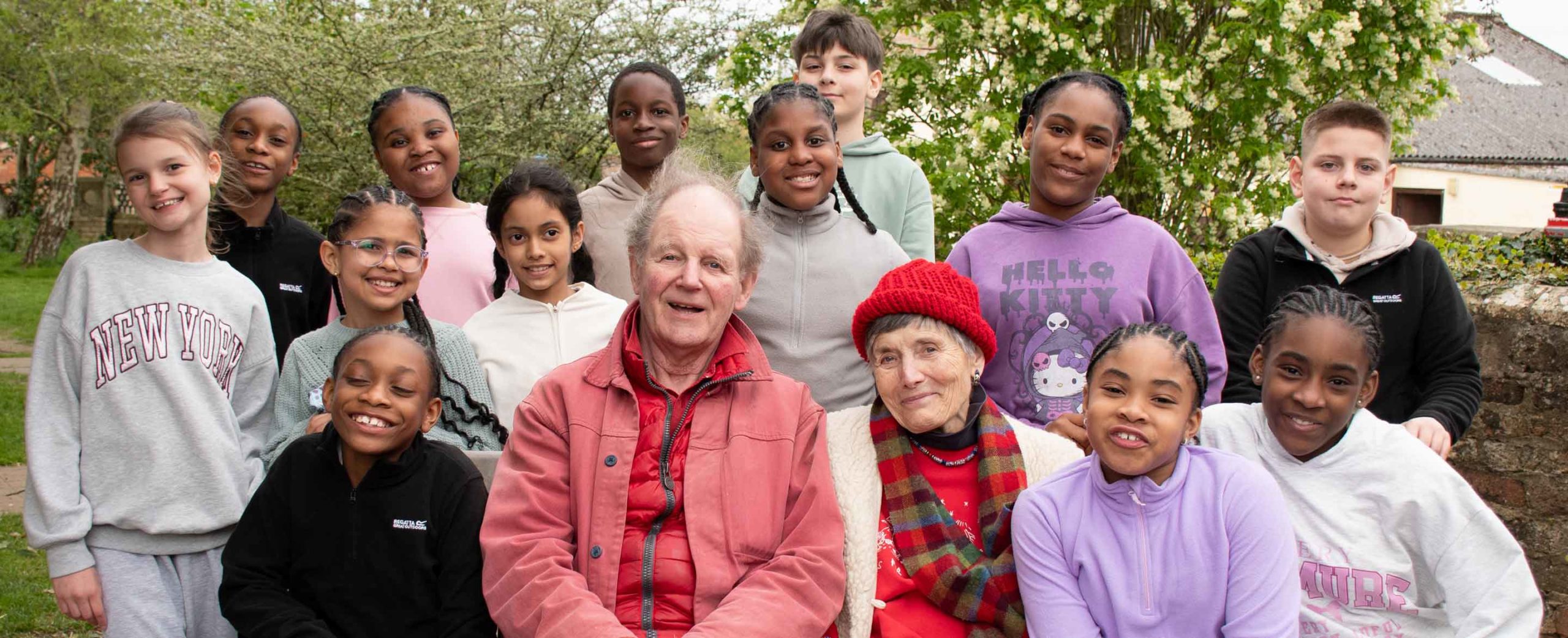
Clare Morpurgo, our co-founder, grew up with a strong connection to Devon and to farming. Her father, Sir Allen Lane, founder of Penguin Books, came from a Devon farming family and brought Clare here as a child. Years later, Clare and Michael, both teachers, wanted to give children who had little access to nature the opportunity to experience something different: to live and work together on a real farm in the countryside.
In 1976, that dream became Farms for City Children and the first schoolchildren arrived at Nethercott House.
There is another lovely thread running through the family story: Sir Allen famously had the idea for affordable paperbacks while returning from a visit to his friend Agatha Christie, driven by the belief that good books should be accessible to all. In its own way, Farms for City Children is rooted in something similar: the belief that experiences which enrich childhood should not depend on where you happen to grow up or what you can afford.
Five decades of farmers for a week
I recently had the pleasure of welcoming back Jackie Hobson, one of the charity’s very first young farmers. Fifty years on, Jackie recognised so much of what she experienced here in the things we still do today – working with animals, being outdoors, learning by doing and growing in confidence. Jackie is one of our 50 voices contributors and you can read her story here.
The need for these experiences has only grown. With young people’s mental health under increasing pressure, we know that time outdoors can make a real difference, we see it every week! Jackie’s visit was a lovely reminder that, while the world has changed, what young people need from places like Nethercott hasn’t. Perhaps we need it more than ever.
What we want children to take home
Before we reopened in 2021, Charlie (one of our Farm School Leaders) led our team in reflecting on the values we wanted at the heart of Nethercott House — and what we hoped every young farmer would take away from their time here. Life here is so much more than simply learning to feed a pig, sow a seed or harvest the veg. It’s about confidence, connection, responsibility and discovering what you’re capable of.
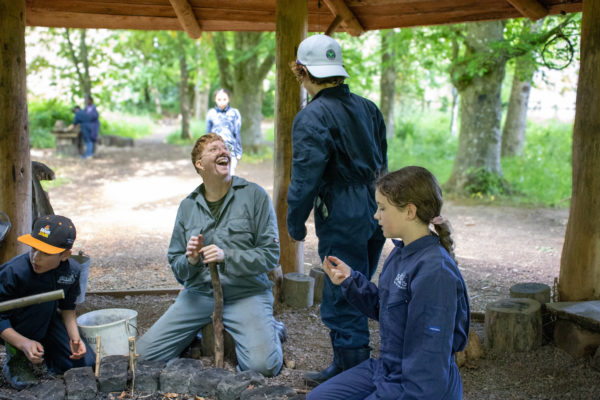
Each day we focus on a core value:
On Monday, we focus on caring: We show kindness to all we meet, and care for both living creatures and the land — as well as each other!
Tuesday brings community: At Nethercott, we build community every day. Community gives young people a sense of belonging, helping them build confidence, support one another and discover their place in the world.
On Wednesday, our young farmers lean into being curious: Curiosity engages all five of our senses, encouraging young people to ask questions, explore the world around them and discover that learning can begin with something as simple as a new smell, a hidden creature or wondering what lies beneath a stone.
By Thursday, we are digging deep. Children are tired, so we learn about resilience: Resilience is built by doing things that are uncomfortable, difficult, muddy or tiring and discovering that we can, and do, keep going.
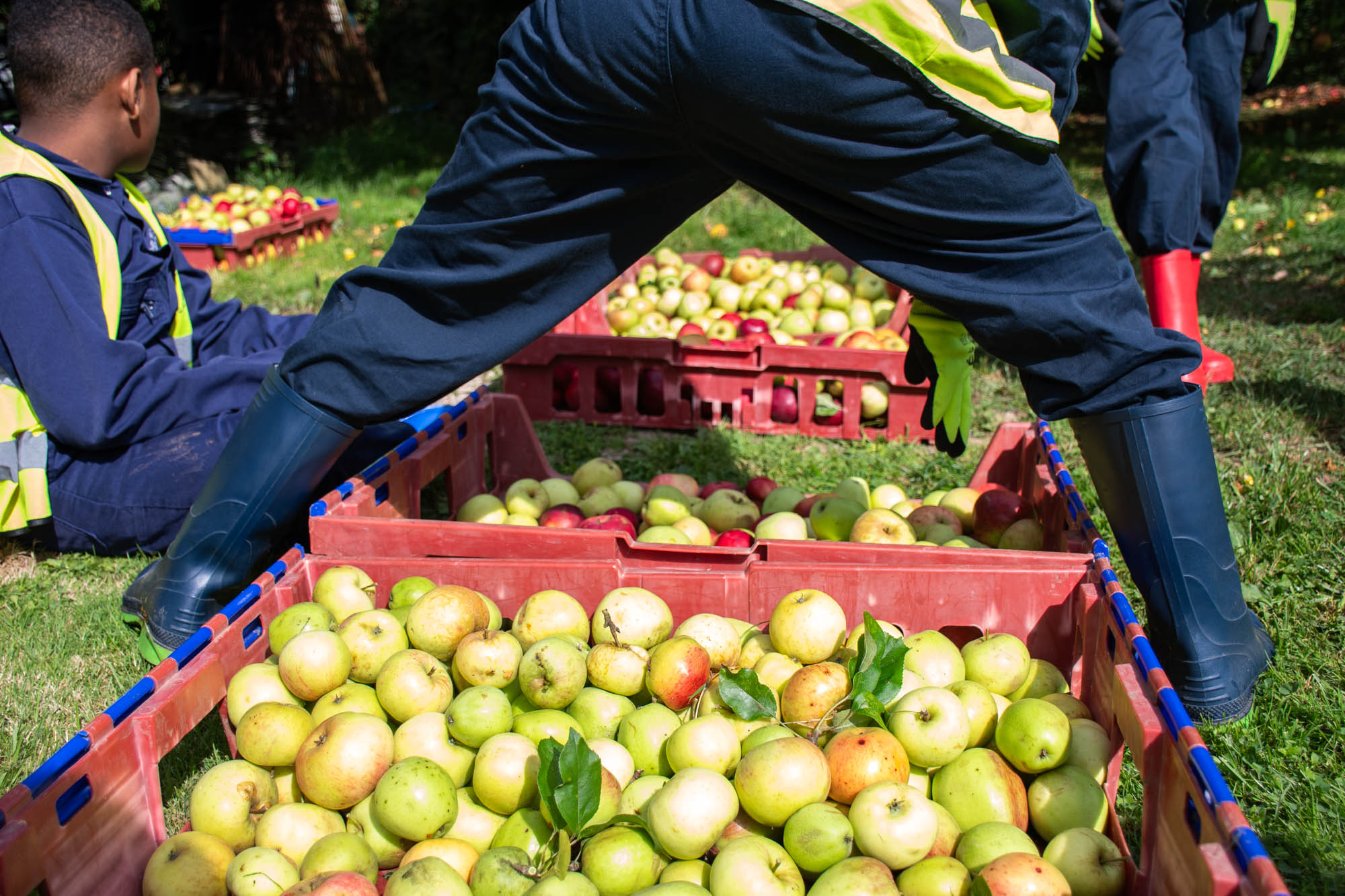
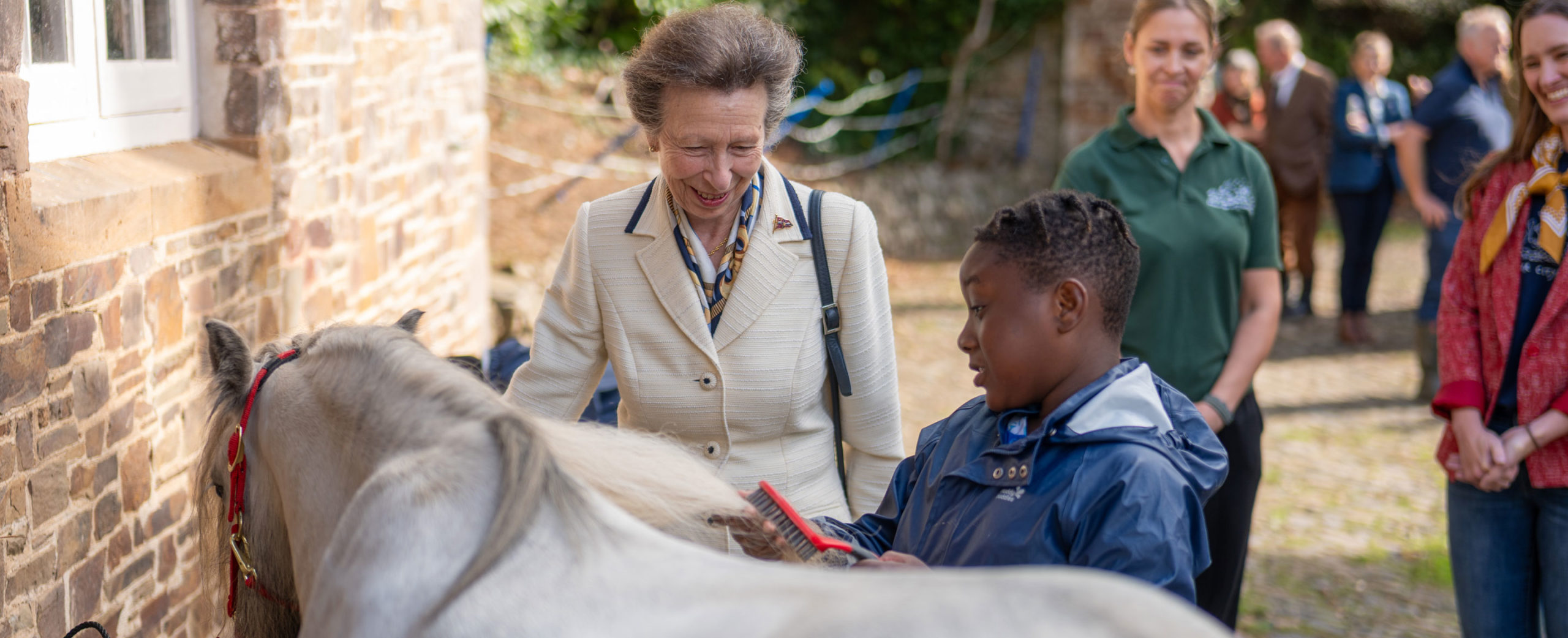
On a Friday, our final day with the young farmers, we focus on stewardship. It’s something they learn through doing: grooming a horse, pushing a wheelbarrow to the muck pile, spreading mature manure on the garden or harvesting carrots grown from the work of others. Through these simple, practical tasks, they begin to understand that caring for the land, animals and each other is something we all have a part in. We don’t inherit the land from our ancestors after all; we borrow it from our children (Anon).
Those values matter enormously to me and our team because this is about so much more than a week on a farm. It’s about every young person who walks through our doors — getting to know them, believing in them and helping them discover what they’re capable of. Most of all, it’s about the young people they become and continue to be, long after they leave Nethercott.
Believing in children
My desire to find a role like this goes right back to why I left mainstream education. I had lost faith in the system, but I had never stopped believing in children.
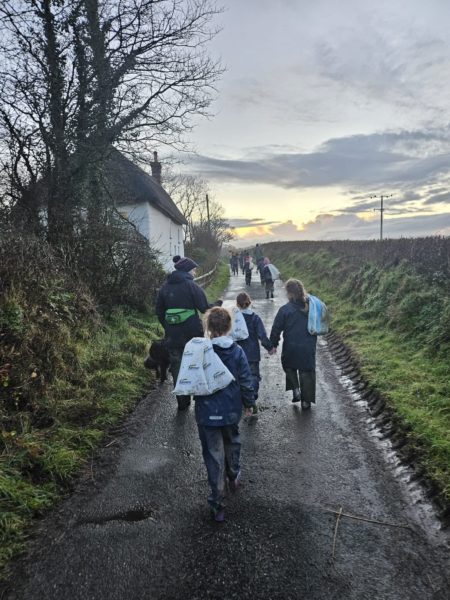
At Nethercott, I see what can happen when you give children the time, space, responsibility and trust to discover what they are capable of. We allow them to exhale, for their shoulders to drop and to just be young people: individuals.
Fifty years ago, Clare and Michael had an idea about what childhood could include. The farm tasks may look remarkably similar today, but the world around our children has changed enormously.
That makes me certain of one thing. They need places like Nethercott now more than ever.
From caring for animals and getting hands-on with daily jobs to discovering where food comes from, a visit to Farms for City Children gives children the chance to grow in confidence, responsibility and curiosity. Find out more about visiting our farms.